
Last updated November 21, 2026
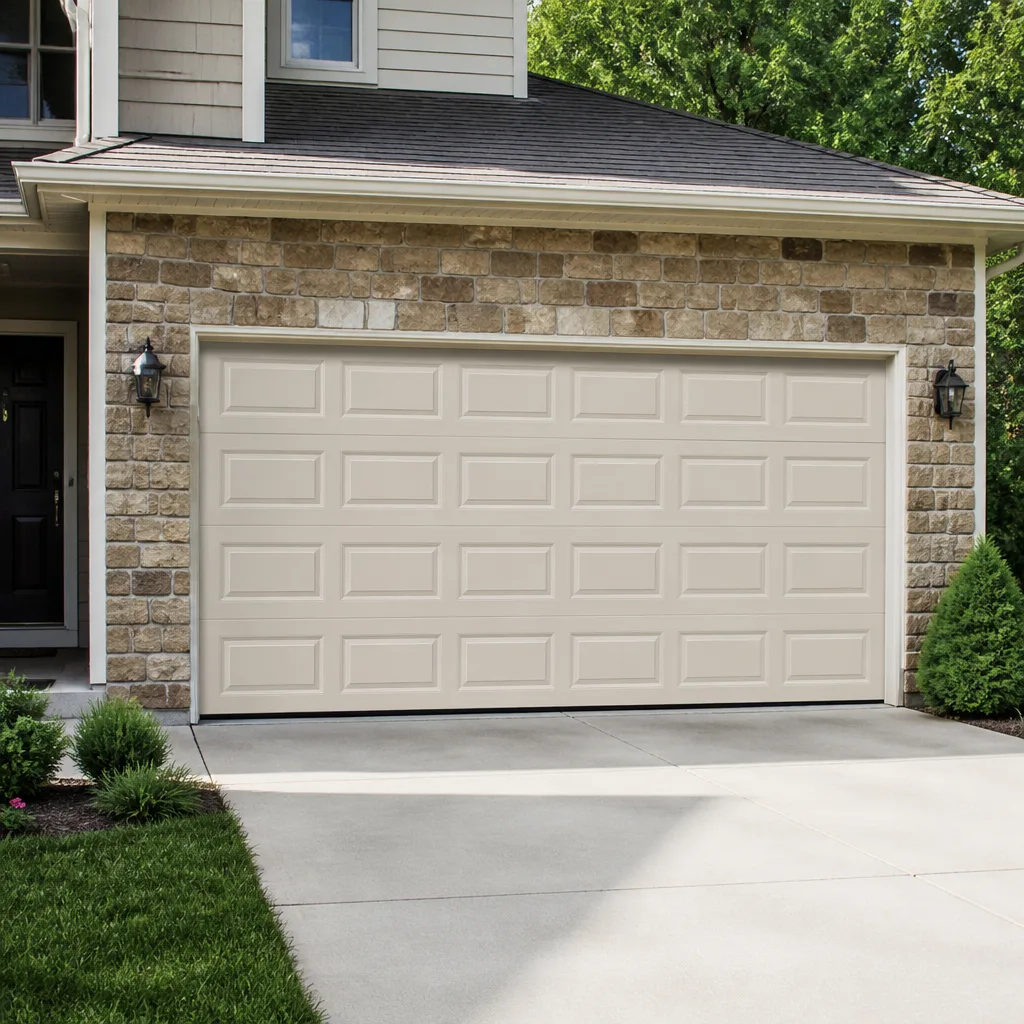 Raised-panel steel
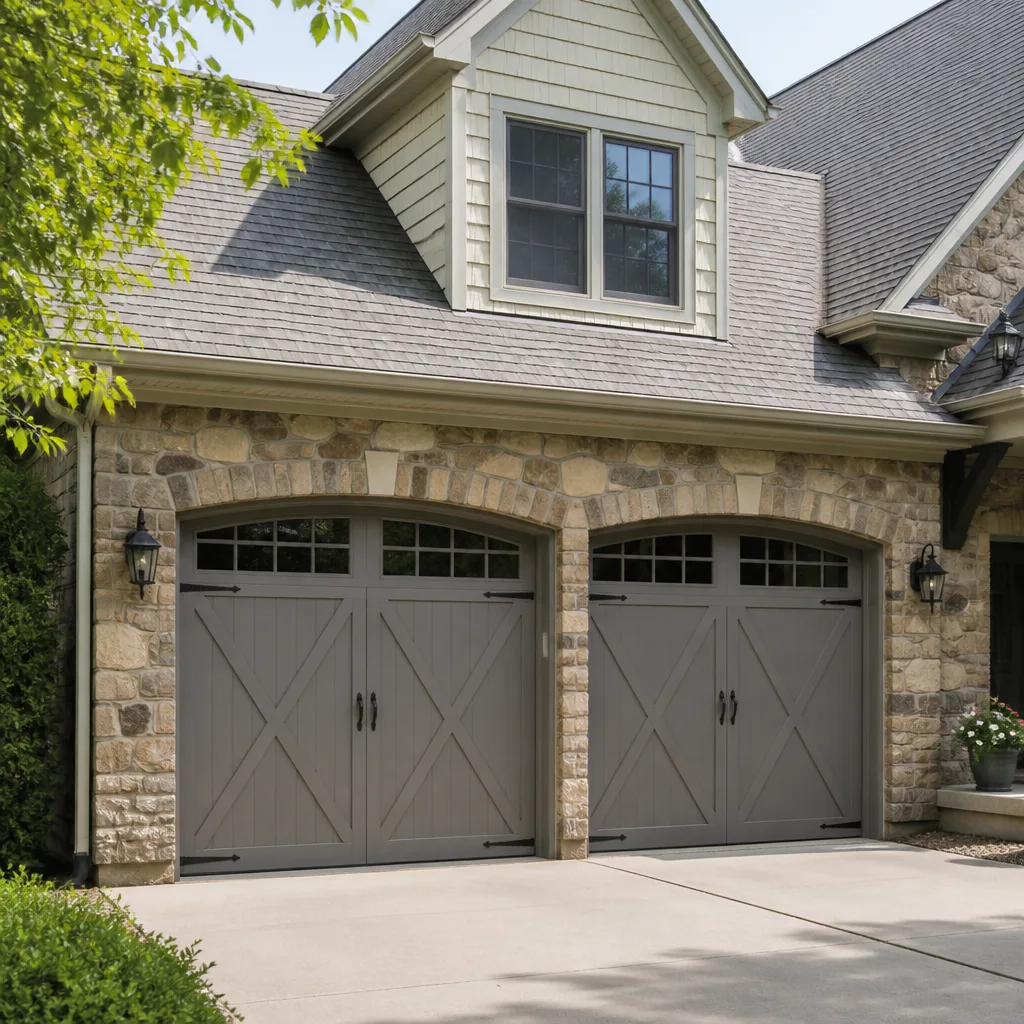 Carriage house
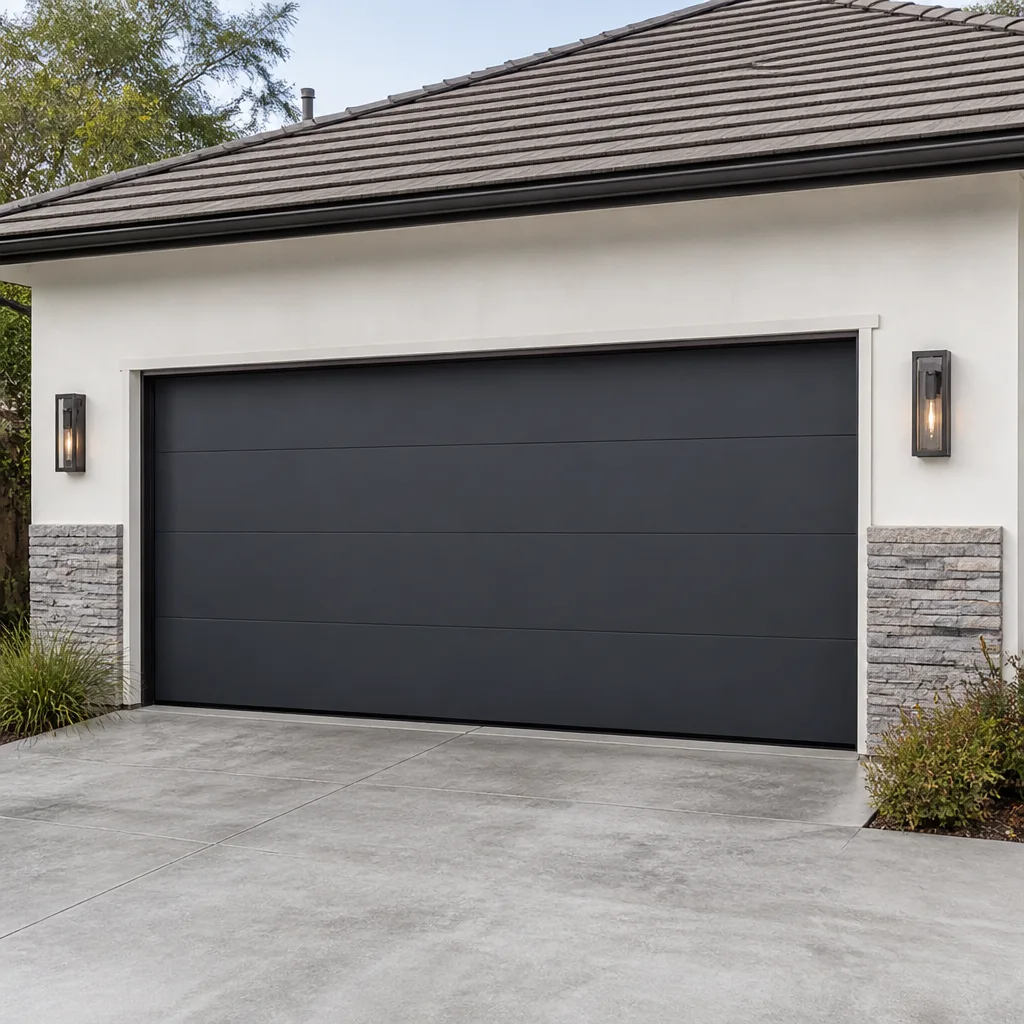 Modern flush
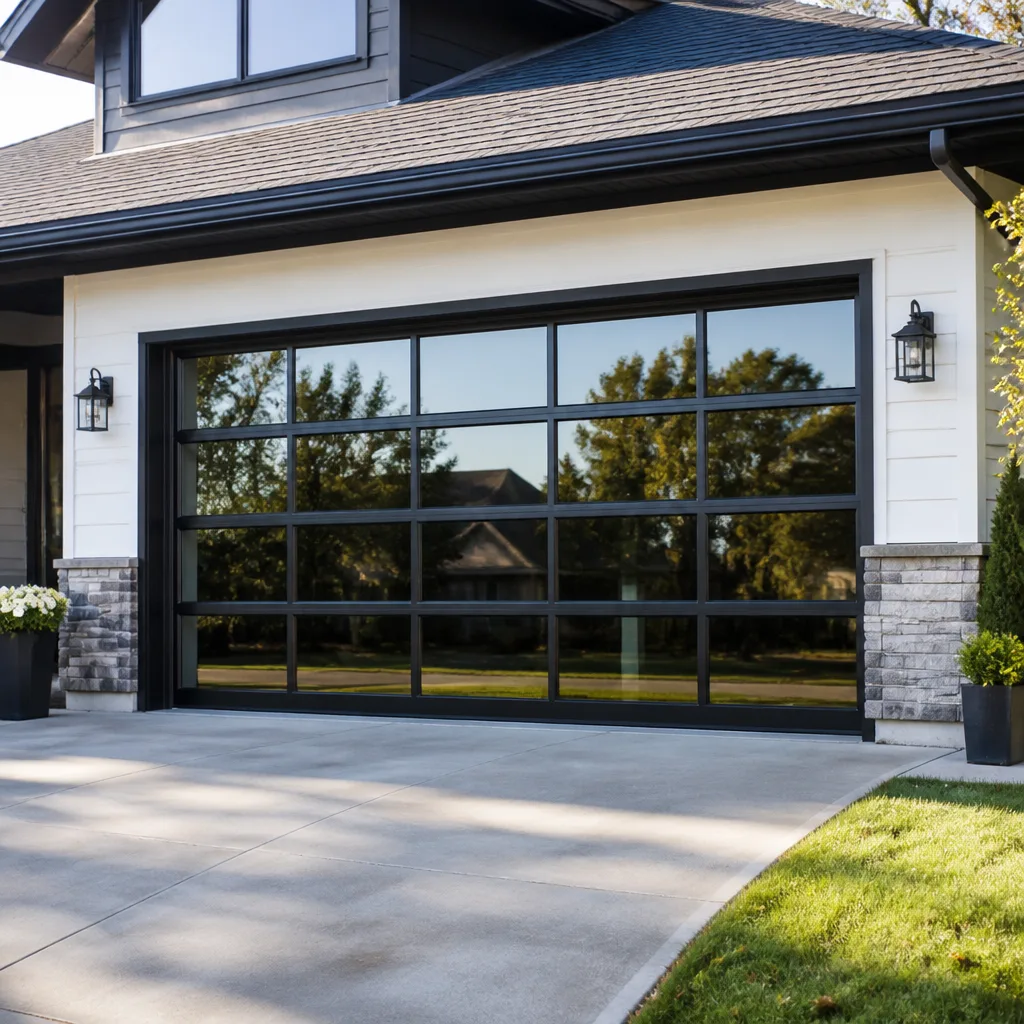 Full-view glass
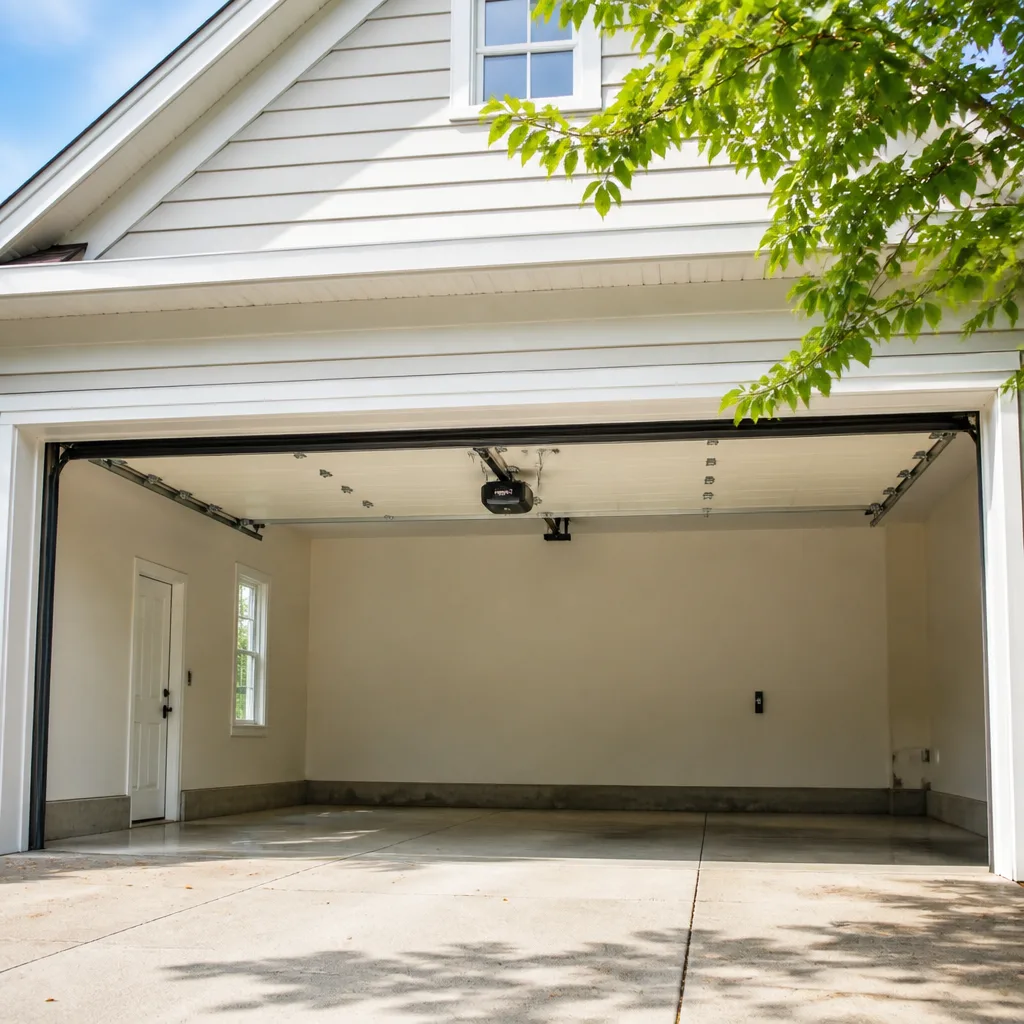 LiftMaster openers
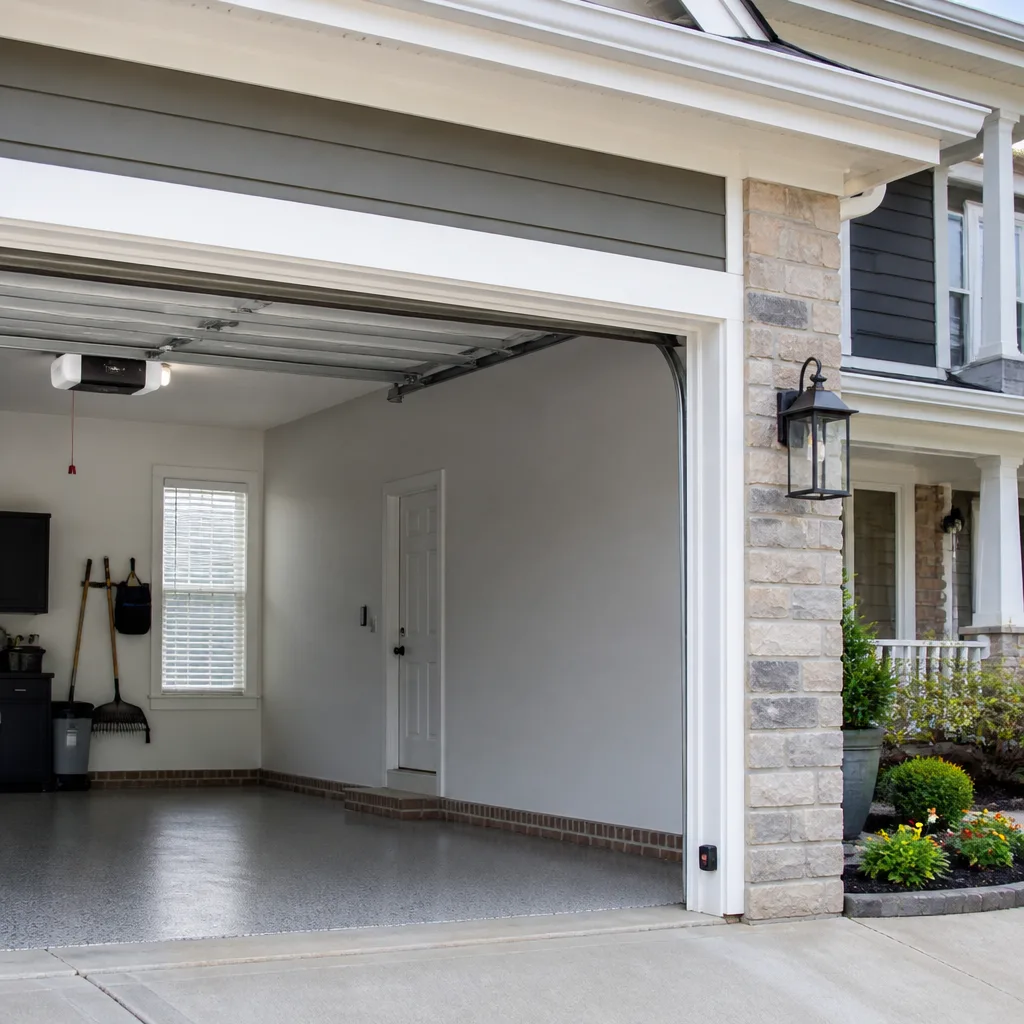 Chamberlain openers
Full 25-point door and opener safety check with every visit - springs, cables, rollers, tracks, and your LiftMaster or Chamberlain opener included
You get a price before we start. It does not change when the pro arrives.
Get your free estimateChoosing the Right Garage Door Brand: A Buyer’s Guide for Daytona Beach
A steel door with a 25-year rust warranty sounds bulletproof until you read the fine print. Several of the most-advertised brands void that coverage when the door is installed within a certain distance of saltwater, and Daytona Beach sits right on the Atlantic. So the brand that wins national satisfaction surveys isn’t automatically the brand that holds up two blocks off A1A. This guide compares major brands against what actually matters here: coating quality, wind-load certification, opener compatibility, and whether parts are sitting in Volusia County or on a truck from Ohio. You’ll learn which questions separate a coastal-grade door from a brochure-grade one, and how to avoid paying for a warranty that won’t pay out.
Quick Answer
The right garage door brand for Daytona Beach is the one whose warranty stays valid near saltwater, whose model line is pre-certified for Florida wind-load requirements, and whose parts a local technician can source quickly. In practice, that means comparing warranty language before comparing price, checking wind-load certification per model line rather than per brand, and favoring brands with real parts availability in Volusia County. A door that fails any of those three tests costs more over its life, no matter how good it looks on the showroom floor.
Styles & brands we work with
- Raised-panel steel
- Carriage house
- Modern flush
- Full-view glass
- LiftMaster openers
- Chamberlain openers
Table of Contents
- Why Coastal Warranty Language Matters More Than the Headline Years
- Steel, Fiberglass, or Wood: What Survives Florida Sun and Humidity
- Wind-Load Ratings and Florida Building Code: What to Verify
- Matching Door Weight to LiftMaster, Chamberlain, and Genie Openers
- Local Parts Availability: Why It Decides Repair Speed
- How the Major Brands Compare for Daytona Beach
- A Step-by-Step Way to Choose Your Brand
- Common Mistakes to Avoid
Why Coastal Warranty Language Matters More Than the Headline Years
A 20-year or 25-year finish warranty is a marketing number. The number that matters is how the warranty defines its geographic limits. Many manufacturers include exclusions or reduced coverage for installations near saltwater, and the distance can be measured in miles, not feet. Before you commit to a brand, read the warranty document itself, not the sticker on the door.
Ask three questions of any warranty you’re handed:
- Does it exclude or reduce coverage near saltwater? Look for phrases like “coastal environment,” “marine exposure,” or a stated distance from the ocean.
- What does the finish warranty actually cover? Some cover perforation from rust but not surface corrosion, bubbling, or color fade. Those are the failures a Daytona Beach homeowner is most likely to see.
- Who honors it? A warranty backed by the manufacturer and processed through a trained local technician is easier to claim than one routed through whoever answers a national call center.
Clopay and Amarr both publish detailed warranty documents, and the language varies by product line, so a brand-level comparison isn’t enough. The same manufacturer may offer a builder-grade line with thin coastal protection and a premium line with heavier galvanized steel and a finish system built for humid, sunny climates. Ask for the warranty for the specific model number you’re considering, and read the exclusions section first.
One habit pays off: have the person selling you the door highlight the coastal clause with a pen. If they can’t find one, that’s useful information too. And if a warranty requires professional installation to stay valid, which most do, that’s a reason to work with a technician who services the brand and documents the installation properly.
Steel, Fiberglass, or Wood: What Survives Florida Sun and Humidity
Material choice drives how a door ages in Daytona Beach more than brand name does. The sun here is relentless, the humidity is a constant, and a door that faces west takes the worst of both. Here’s how the common options hold up.
Steel
Steel is the most common choice, and the range in quality is enormous. What separates a good steel door from a cheap one is gauge, galvanization, and coating. Thicker steel resists dents from a stray basketball or a backed-in car. Heavier galvanization and a multi-layer finish resist the corrosion that humid air encourages. A two-layer door with a thin finish will show rust at the bottom section long before a three-layer door with a heavier coating will. When you compare steel doors, compare the spec sheet, not the photo.
Fiberglass
Fiberglass resists rust entirely, which is why it appeals near the water. The tradeoff is UV performance. Cheaper fiberglass panels can chalk, fade, and grow brittle under years of Florida sun. Higher-grade fiberglass with a UV-stable finish holds color better. Fiberglass is also lighter than steel of similar size, which changes what your opener has to lift. Ask how the specific panel is finished and whether the finish is covered against fading.
Wood and Wood Composite
Real wood looks excellent and demands the most upkeep in this climate. Humidity and sun work on wood continuously, so it needs refinishing on a schedule, and neglect shows quickly. Wood composite products reduce the maintenance burden and resist moisture better than natural wood, though they aren’t maintenance-free either. If you want the wood look without the refinishing cycle, ask about composite and steel carriage-house styles with a wood-grain finish.
Whichever material you pick, the sections closest to the ground take the most abuse from splashing and humidity. A door with a heavier bottom section and a proper weather seal lasts longer in Daytona Beach than one built to a national average.
Wind-Load Ratings and Florida Building Code: What to Verify
Wind-load certification is the part of door shopping most homeowners skip, and it’s the part that matters most when a storm comes. Florida’s building code sets wind-load requirements that vary by location and by the door’s size and exposure. A door that isn’t rated for your requirements may need reinforcement, may fail an inspection, or may simply not be the right product for the opening.
The key point: wind-load rating is a product-level fact, not a brand-level one. A manufacturer may offer one model line pre-certified for a range of wind zones and another line that requires added bracing to get there. Two doors from the same brand can have completely different certifications. So verify at the model level.
What to ask for:
- The product’s wind-load rating and the wind zone it’s certified for, in writing.
- The Florida Product Approval number or evaluation documentation for that specific model and size.
- Whether the rating depends on additional reinforcement, and if so, what’s included.
- How the door and its track and anchors are specified for a door of your width and height, since larger openings carry different loads.
Your city’s building department can confirm what your opening requires and whether a permit is needed. Don’t rely on a sales sheet alone. A technician who installs wind-rated doors regularly knows how the documentation is supposed to look and can flag a mismatch before the door is ordered. That’s one reason we ask for the model number and opening dimensions up front: the answer changes with both, and getting it wrong means a reorder instead of an installation.
Matching Door Weight to LiftMaster, Chamberlain, and Genie Openers
An opener is only as good as the door it lifts. In a high-cycle household, where the door goes up and down several times a day, the pairing between door weight, spring balance, and opener capacity decides how long everything lasts. A door that’s heavier than the opener is rated for strains the motor, the gears, and the rail. A door that’s badly balanced strains them even with a correctly sized opener.
The specs to reconcile before installation:
- Door weight. Every door has a published weight range based on size, material, and insulation. Get it before the opener is chosen.
- Opener lift rating. LiftMaster, Chamberlain, and Genie all publish the door weight each model is built to handle. Match the number to the door, not to the old opener.
- Balance and spring tension. A properly balanced door should move smoothly by hand and hold position partway open. If it doesn’t, the springs need attention before a new opener goes on.
- Duty cycle. A busy household cycles the door more than a typical spec assumes. Higher-duty openers handle that repetition with less wear.
This is where brand familiarity earns its keep. LiftMaster and Chamberlain share engineering lineage and a belt-and-chain product range that covers most residential doors. Genie builds a range of chain, belt, and screw-drive openers, and its models pair cleanly with lighter doors. If your existing opener is working and your door is the problem, the opener may not need replacing at all. Our technicians have up to 9 years of experience matching doors to openers, and we work on the brand you already have rather than pushing a swap you don’t need. If the opener itself is failing, that’s a separate repair: see our garage door opener repair page for how we diagnose it.
Local Parts Availability: Why It Decides Repair Speed
Brand choice quietly determines how long you’ll be without a working door. A door brand whose springs, rollers, hinges, and sections are stocked around Volusia County can often be repaired quickly. A specialty brand with a two-week parts lead time can leave you waiting even for a straightforward fix. That gap is the difference between a same-day repair and a fortnight of manual lifting.
When you’re comparing brands, ask:
- Can a local technician get common parts for this model? Springs, rollers, hinges, and cables should be readily available. So should the specific spring size your door uses.
- What about structural parts? A damaged panel or a bent track is a bigger problem if the part has to be ordered.
- Is the model current or discontinued? A brand-new model line can be the hardest to get parts for in the first year or two. A well-established line usually has better availability.
The brands we service are the ones that make this easy: Clopay, Amarr, Wayne Dalton, Craftsman, and Raynor, along with LiftMaster, Chamberlain, and Genie on the opener side. That range exists for a reason. It mirrors what’s actually installed on homes around Daytona Beach, so when a spring snaps in a garage in Ormond Beach or Port Orange, the part is usually obtainable without a long wait. If you’re replacing a door and the choice is close, weight this factor heavily. The brand that’s easy to repair is often the cheaper brand to own.
How the Major Brands Compare for Daytona Beach
No single brand wins every category, and none is right for every home. Here’s how the brands we work with most often stack up against the criteria that matter here. Use this as a starting framework, then verify the specifics for the model you’re considering.
Clopay
Clopay offers a broad range of steel doors, from builder-grade to insulated premium lines, and its carriage-house styles are popular for homes in the area. Warranty terms vary by line, so confirm the coastal language on the specific model. The wide availability of Clopay parts makes it one of the easier brands to keep running long term.
Amarr
Amarr builds a range of steel doors with several insulation levels and model lines that carry wind-load certifications for different zones. If a pre-certified wind rating is a priority, Amarr’s documentation is worth reviewing carefully at the model level. Parts availability is generally solid.
Wayne Dalton
Wayne Dalton covers both steel and specialty products and is common on homes in and around Daytona Beach. It’s a familiar brand for local technicians, which helps when a repair needs a specific component. Again, read the warranty for the exact line.
Craftsman
Craftsman shows up most often on the opener side and on doors installed by national retailers. Service can be trickier than with doors from dedicated manufacturers, because parts and support can route through the retailer rather than a local supplier. That’s a practical consideration if you want repairs handled without a runaround.
Whichever brand you lean toward, the real test happens at checkout: the model number, the wind documentation, the warranty exclusions, and the parts pipeline. A well-chosen Clopay and a well-chosen Amarr cost about the same to own. A poorly chosen line from either brand is expensive.
A Step-by-Step Way to Choose Your Brand
- Measure your opening and note the exposure. Width, height, and which direction the door faces all inform your choices. West-facing doors take the most afternoon sun.
- Confirm your wind-load requirement. Ask your city’s building department what your opening requires and whether a permit applies. This narrows the field before you shop.
- Pick the material and insulation level first. Decide steel, fiberglass, or composite before you compare brands. Then compare brands that make that product well.
- Read the warranty exclusions. Get the document for the specific model. Highlight any coastal clause and any finish-fade exclusions.
- Check wind-load certification at the model level. Confirm the rating and the documentation, and whether extra reinforcement is needed.
- Match the door to your opener. Confirm the door’s weight against your opener’s published rating, and check the door’s balance. A new door and an old opener can be a bad pairing.
- Ask about parts availability. Find out whether common replacement parts are obtainable locally and how long special orders take.
- Get a free measure and a written price. A proper installation starts with an on-site measure. Get the price in writing before anything is ordered.
If you’re weighing repair against replacement, our garage door repair page explains how to tell whether a door is worth fixing. And if the springs are the current problem, our garage door spring repair page explains why spring work needs a trained technician. Springs hold enormous tension and can cause serious injury if handled by someone without the right tools and training. Never attempt to adjust or replace them yourself. Call a professional.
Common Mistakes to Avoid
- Buying on the headline warranty number alone. A 25-year rust warranty means nothing if a coastal exclusion voids it for your address. Read the fine print for the specific model before you commit.
- Comparing brands instead of models. Two doors from the same brand can have completely different wind ratings, coatings, and warranty terms. Always compare the model number.
- Skipping the wind-load verification. A door that isn’t rated for your opening can fail inspection or need added bracing after the fact. Confirm the rating before ordering in Daytona Beach.
- Putting a heavy door on an undersized opener. If the door weight exceeds the opener’s published rating, the motor and gears wear fast. Match them before installation, not after the first failure.
- Choosing a specialty brand with no local parts pipeline. A brand no local technician can source parts for turns a small repair into a long wait. Check availability first.
- Ignoring the door’s exposure and sun direction. A west-facing door in Daytona Beach faces the harshest UV load. Factor that into the finish and material choice.
- Installing without professional documentation. Most warranties require professional installation to stay valid. A documented, correct install protects your coverage later.
See the difference
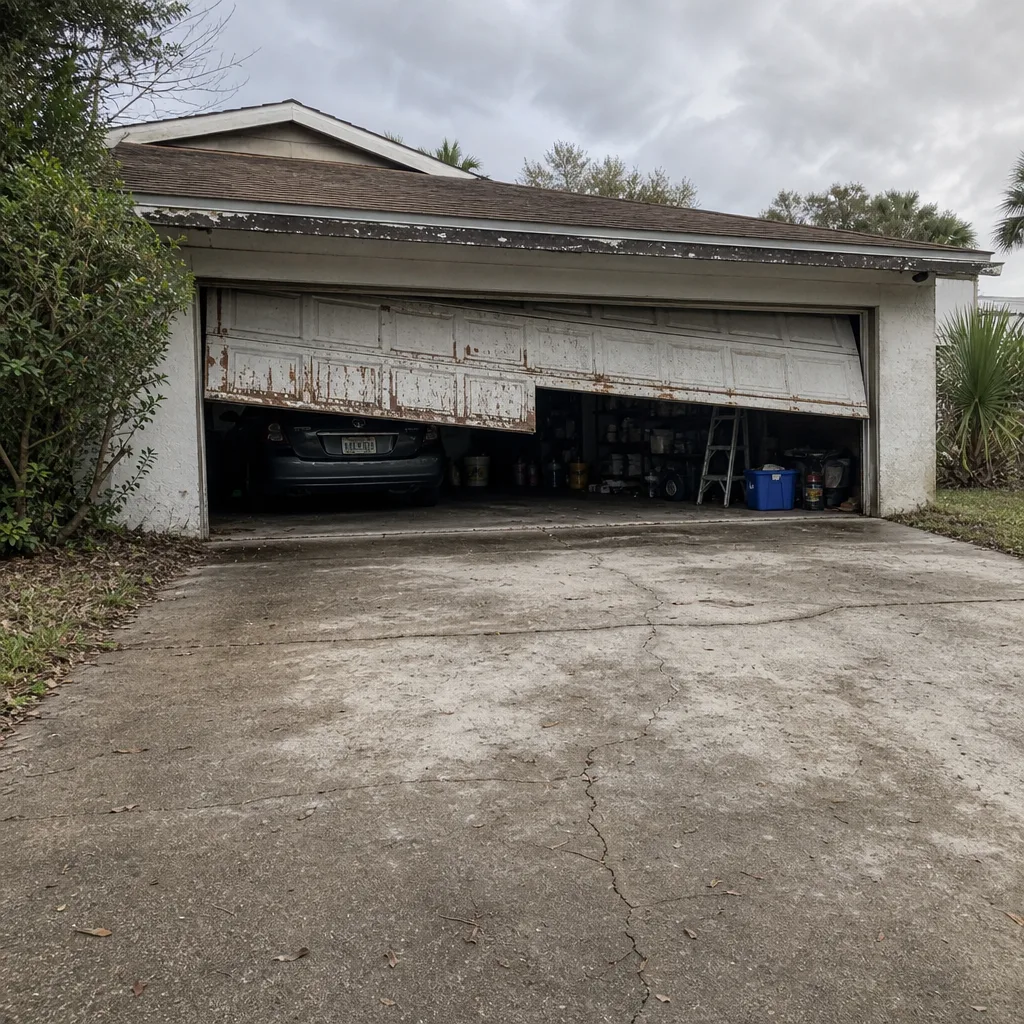 Before
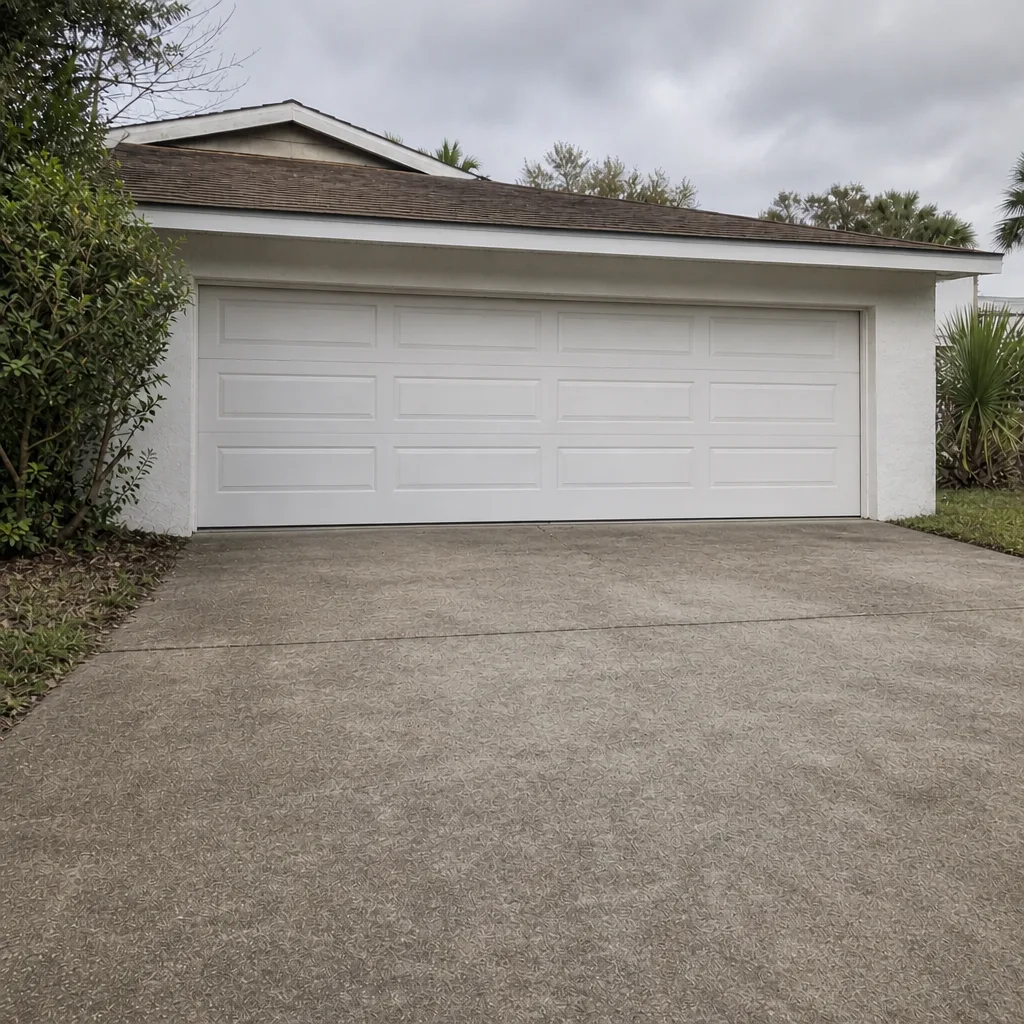 After
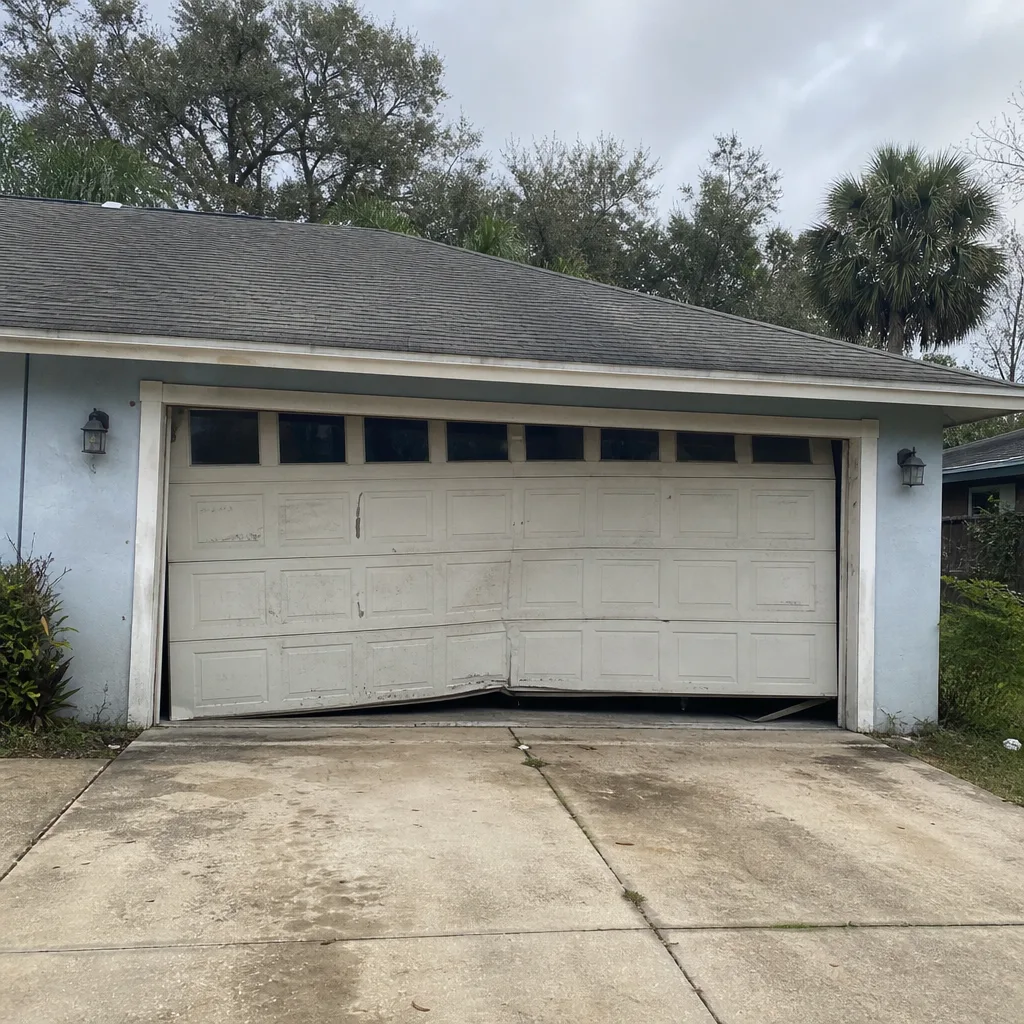 Before
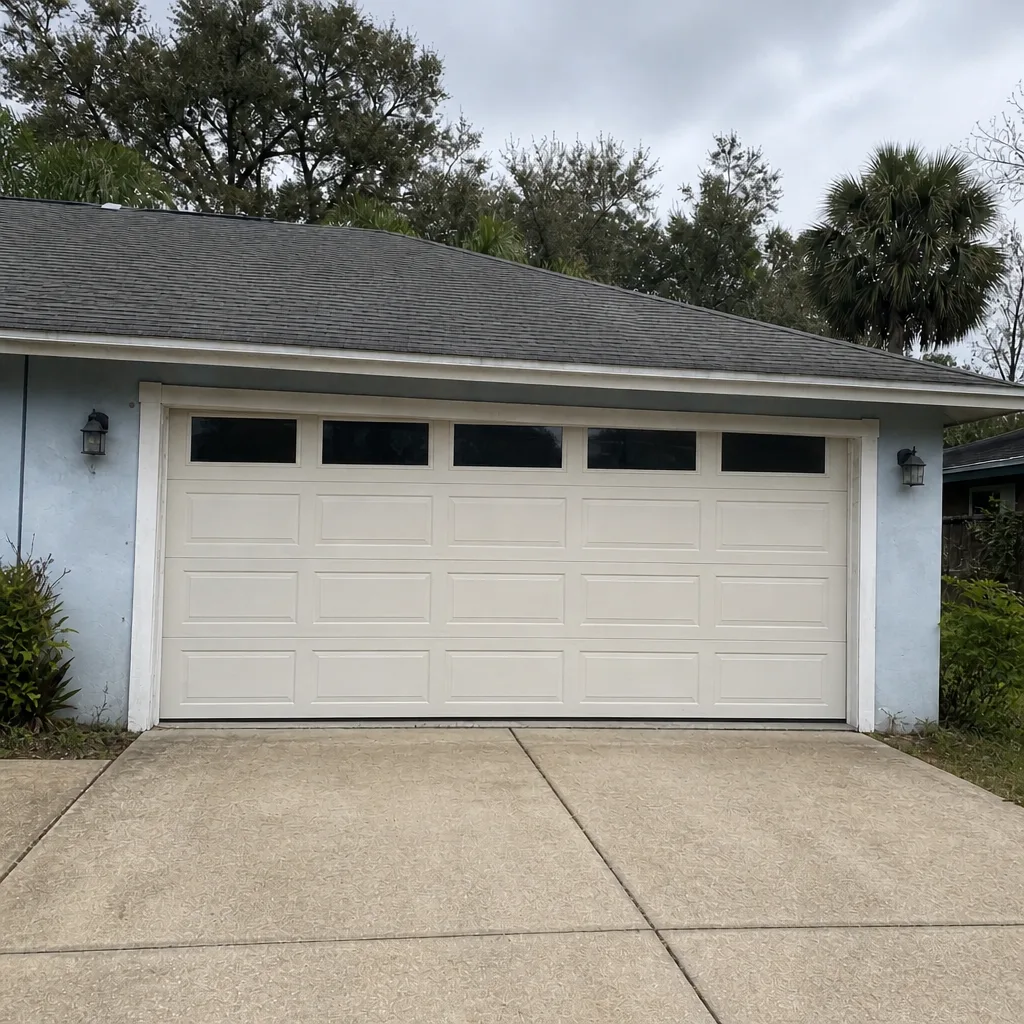 After
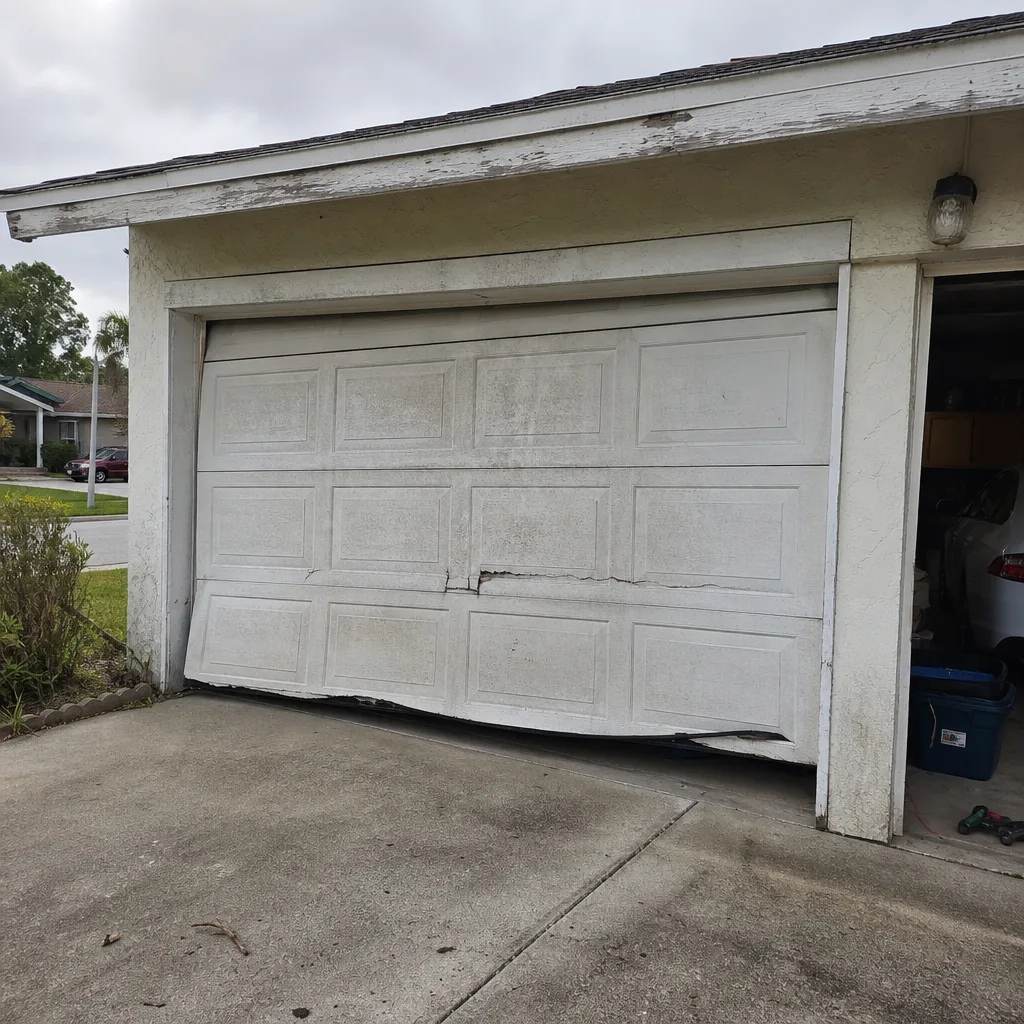 Before
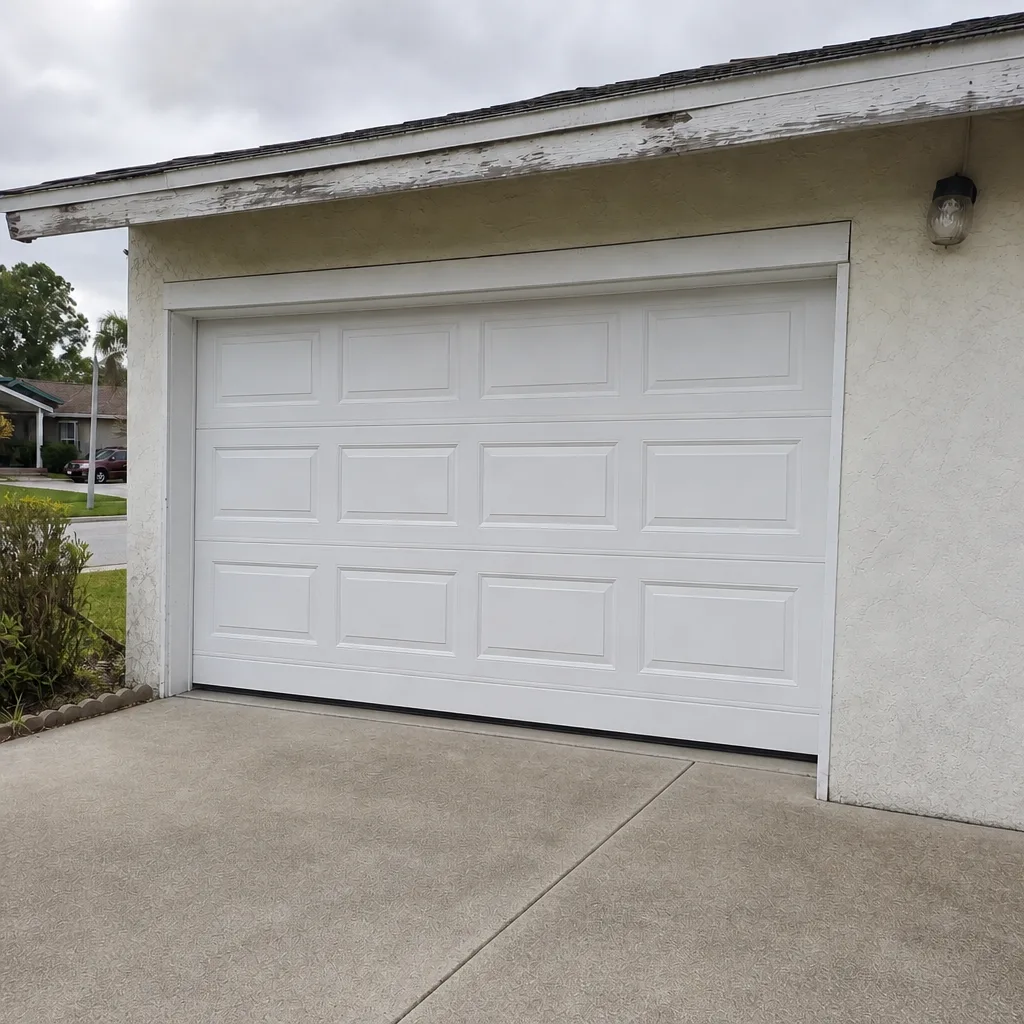 After
When to Call a Professional
Call a professional when you’re weighing a door and need someone to verify the model number, the wind-load documentation, and the warranty language before you order. Call when a door has become hard to lift, when it slams down or stops halfway, when the opener runs but the door doesn’t move, or when a cable or spring has visibly failed. Call when a storm has bent a track or knocked a door off its alignment, and call when you’re comparing repair against replacement and want the numbers in writing.
Daytona Beach Garage Door Repair Pros offers free estimates in Daytona Beach. We work on the brand you already have, from springs and openers to replacement doors. Call (866) 937-7159 for a free estimate. We answer 24/7. Fast dispatch from 7am to 7pm, Sunday through Friday.
Frequently Asked Questions
There’s no single best brand for Daytona Beach, because the right choice depends on your opening’s wind-load requirement, the material you want, and the warranty terms on the specific model. Brands we service, including Clopay and Amarr, both make lines with coastal-appropriate coatings and pre-certified wind ratings. Compare at the model level, read the warranty exclusions, and confirm parts availability before you buy. Call (866) 937-7159 for a free estimate on what fits your opening.
It depends on the model and the manufacturer’s warranty language, not the brand name. Many warranties include exclusions or reduced coverage for installations near saltwater, so read the specific model’s document before you commit. Ask the seller to highlight any coastal clause. If you’re unsure how a warranty reads, call (866) 937-7159 and we’ll walk through the language that matters.
Several manufacturers, including Amarr and Clopay, offer model lines pre-certified for various wind zones under Florida’s building code. Certification is a product-level fact, not a brand-level one, so the same brand may have one line rated for your opening and another that requires additional bracing. Verify the rating and documentation for the exact model and size. Call (866) 937-7159 for help confirming what your opening needs.
It can, if the door’s weight is within the opener’s published lift rating and the door is properly balanced. A heavier door or a poorly balanced one strains the opener and causes premature wear. Match the door weight to the opener’s rating before installation. If you’re unsure, call (866) 937-7159 and we’ll check the pairing against your existing opener.
It varies by brand and model. Common parts for brands widely installed in Volusia County are often available quickly, while a specialty or newly discontinued model can take substantially longer to source. That lead time is worth checking before you buy a door. Call (866) 937-7159 and we’ll tell you what parts availability looks like for the brand you’re considering.
We’re closed Saturday and open Sunday through Friday, 7am to 7pm. If your door fails on a Saturday, call (866) 937-7159 and we’ll book you for the next opening. We answer 24/7, so a call outside dispatch hours is booked into the next opening, Sunday through Friday, 7am to 7pm.
The Bottom Line
Pick the brand for the place, not the brochure. For Daytona Beach, that means a warranty that survives saltwater, a model line with wind-load certification that matches your opening, coatings and materials built for strong sun and constant humidity, and parts a local technician can actually get. Clopay, Amarr, Wayne Dalton, and Craftsman each have models that fit that profile, and each has models that don’t. The model number, the documentation, and the written price decide which is which. Get a free measure, read the fine print, and choose the door that’s easy to own and easy to repair.
Written by the team at Daytona Beach Garage Door Repair Pros.