
Last updated November 21, 2026
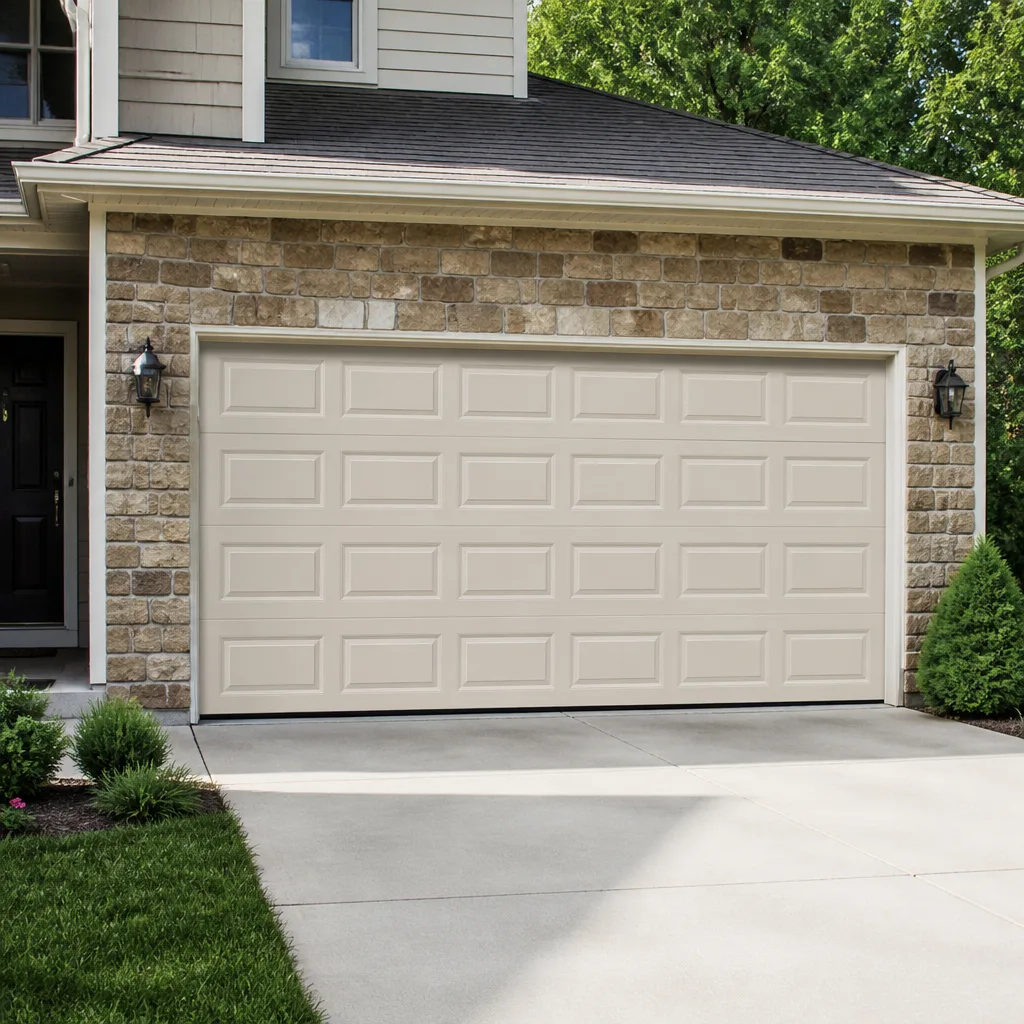 Raised-panel steel
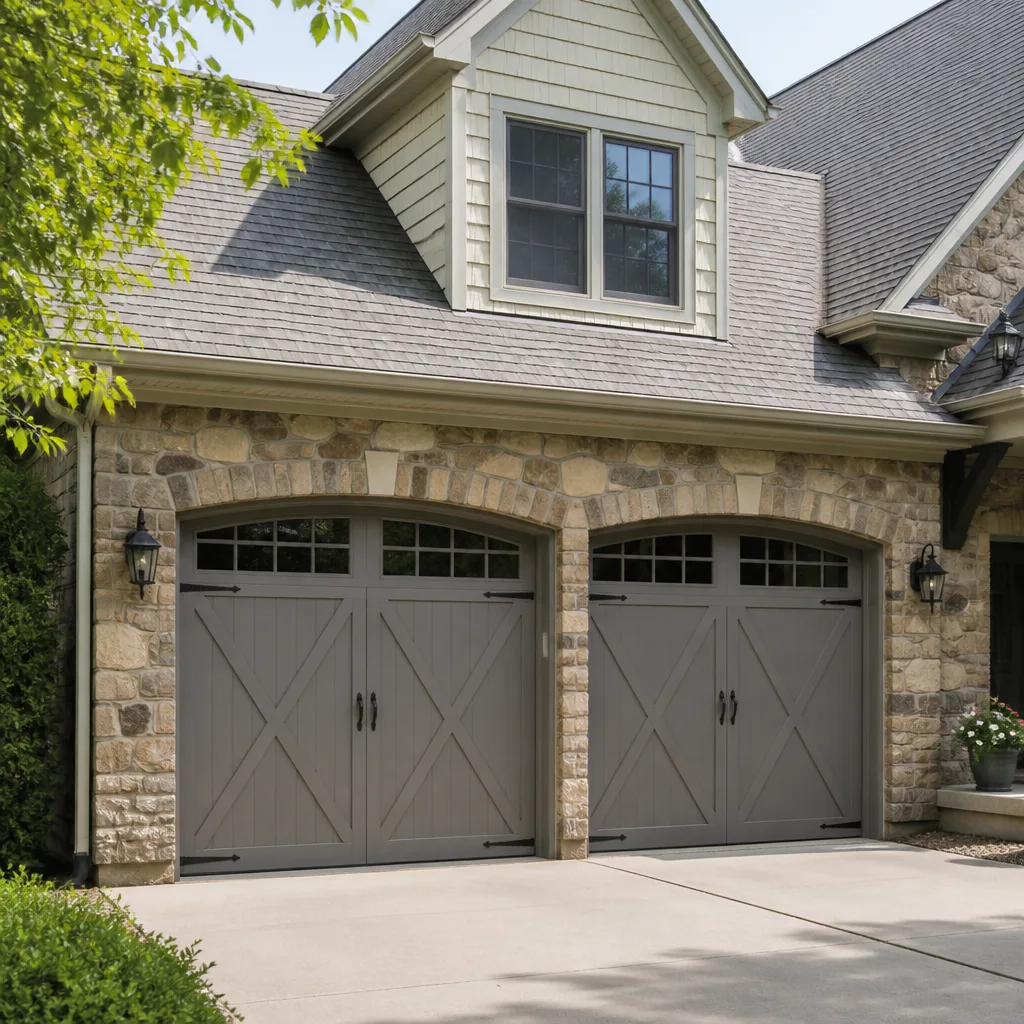 Carriage house
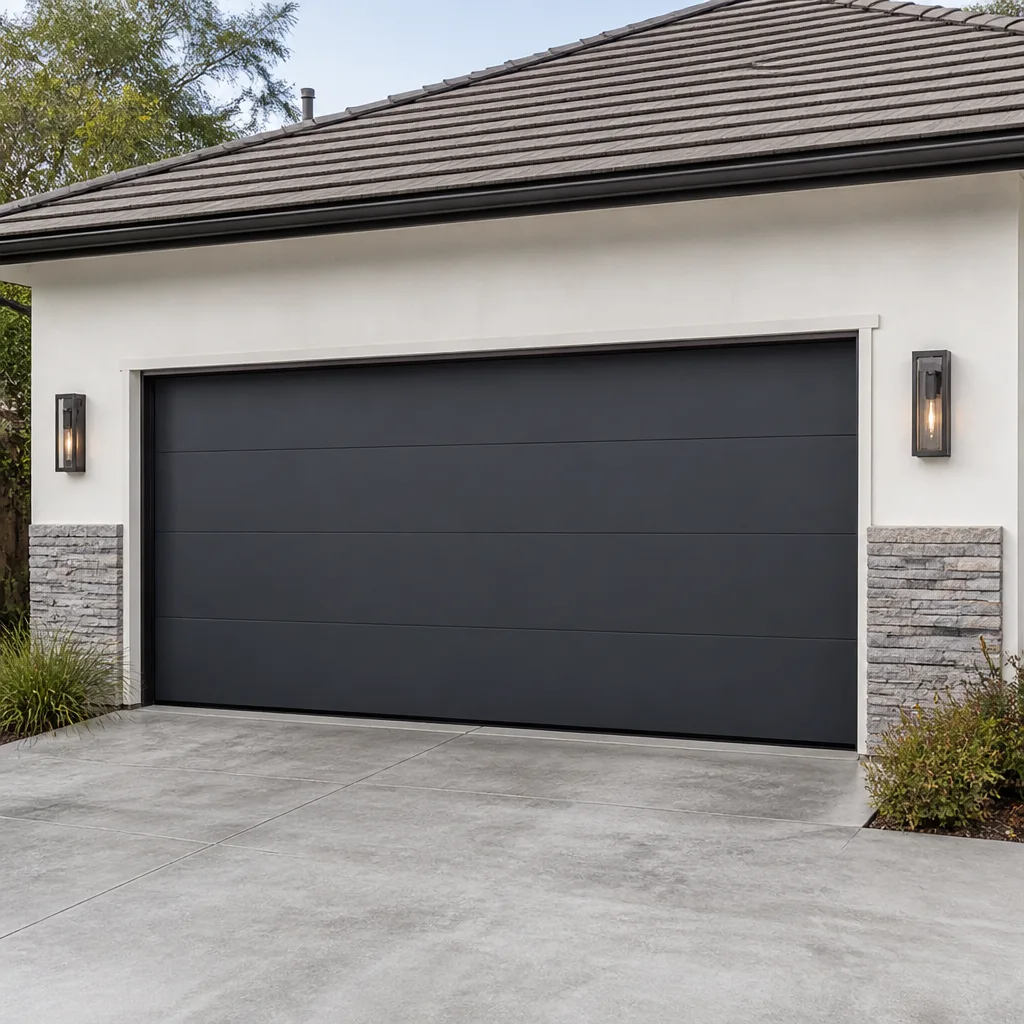 Modern flush
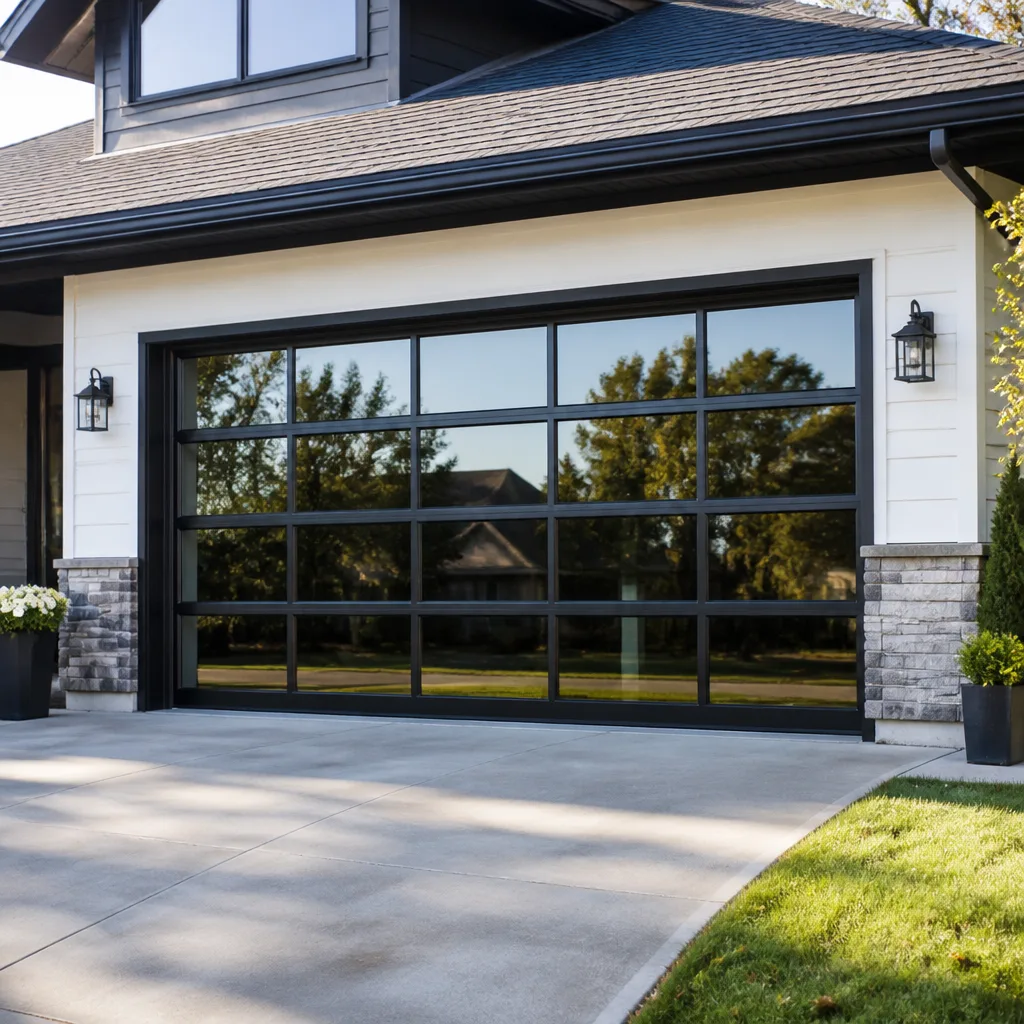 Full-view glass
 LiftMaster openers
 Chamberlain openers
Full 25-point door and opener safety check with every visit - springs, cables, rollers, tracks, and your LiftMaster or Chamberlain opener included
You get a price before we start. It does not change when the pro arrives.
Get your free estimateGarage Door Warning Signs: A Daytona Beach Homeowner’s Reference Guide
A garage door that hesitates for half a second before it moves is telling you something most homeowners ignore for a year or more. That tiny pause has a specific mechanical cause, and it’s usually a cheap fix right up until it isn’t. In Daytona Beach, where the humidity is heavy most of the year and the sun bakes the south-facing side of a garage by early afternoon, those early signals show up faster than they do in drier parts of the country. This guide covers the warning signs worth acting on, how to read each sound and symptom, and the one 30-second test that tells you whether your springs are close to failing. We’ll show you the window between a cheap repair and an emergency call, and how to use it.
Quick Answer
Garage door warning signs in Daytona Beach usually show up as a half-second hesitation before the door moves, a grinding or popping sound during travel, a gap under the bottom seal, or a door that no longer holds itself open at the halfway point. Any one of these means the door needs an inspection before it turns into a spring failure, opener burnout, or water damage to the panels. Catch them early and you’re looking at a straightforward repair instead of a full replacement.
Styles & brands we work with
- Raised-panel steel
- Carriage house
- Modern flush
- Full-view glass
- LiftMaster openers
- Chamberlain openers
Table of Contents
- Why a Half-Second Hesitation Is the First Warning Sign
- Visual Warning Signs: Springs, Cables, and Hardware
- Sound Diagnostics: Grinding, Squealing, Popping, and Rattling
- Weatherstripping and Bottom Seal Failure
- Opener Behavior That Signals Wear
- The 30-Second Balance Test
- How Daytona Beach Humidity Accelerates Wear
- What “60 Days” Really Means for a Warning Sign
Why a Half-Second Hesitation Is the First Warning Sign
When a garage door pauses before it lifts, the opener motor is doing more work than it should. That delay is almost always friction: a torsion spring that’s lost some of its tension, a roller that’s dragging in its track, or a hinge that’s stiffened up. The opener compensates by drawing more current, and it does this silently for months until either the spring gives out or the motor’s control board burns through. That half-second pause is the earliest signal you’ll get, and it’s the easiest one to miss because the door still works.
What makes this so common in Daytona Beach is the way the humidity interacts with metal and lubricant. Grease on the torsion bar and rollers breaks down faster when the air is heavy with moisture, and once it thins out, friction climbs. A door that was whisper-quiet in a dry January can start hesitating by June.
Watch for these specific early signals around the hesitation:
- The door starts moving a beat late, then runs normally for the rest of the cycle
- The opener’s light flickers or dims when the door first lifts
- You hear a soft click followed by a pause before the motor engages
- The door lifts smoothly for the first foot, then drags or slows
- The opener’s travel limits need adjusting more than once a year
None of these require a new door. Most are solved with a lubrication, tension, or roller service. Our technicians have up to 9 years of experience and can diagnose the cause during a regular garage door repair visit, and we work on the brand you already have, so there’s no waiting on a special-order part.
Visual Warning Signs: Springs, Cables, and Hardware
The most reliable visual warning sign is rust on the torsion springs and the cables that run alongside them. Springs are oil-tempered steel, and every flexing cycle works moisture into the coil. When rust starts replacing the metal’s finish, the wire is thinning from the inside out. Once the rust is visible on the coils, you’re usually working inside a window where the spring should be replaced before it snaps.
Walk into your garage and look up. These are the things worth noting:
- Rust on the torsion spring coils – pitting or a brown, powdery surface means the spring is losing strength
- Fraying or kinked cables – the cable strands should lie flat; splits or a birdcage effect are a hard stop
- Sagging in the middle of the door – a bowed top section means the springs or the torsion bar are struggling
- Loose or bent hinges – hinges that won’t sit flush are usually a sign the door’s tracking is off
- Rollers that wobble – a steel roller that has lost its bearing or a nylon roller with a flat spot will grind through the track
- Wall brackets that shift – a bracket pulling away from the header is a structural warning, not a cosmetic one
- Dents with creases at the panel seams – a crease weakens the section and the door will flex more on every cycle
If you see rust on the springs, treat that as urgent. Never try to unwind or adjust the torsion springs yourself: they carry enormous tension, and a spring that lets go while you’re near it causes serious injury. Leave that to a trained technician. Spring work is genuinely dangerous, and it’s the repair most often botched by a general handyman. We handle garage door spring repair as its own dedicated service because the springs are the most commonly mishandled part of the system, and the procedure has to be right the first time.
Sound Diagnostics: Grinding, Squealing, Popping, and Rattling
Every garage door noise points to a different part of the system. Learning to separate them shortens the diagnosis and tells you how fast you need to act. Here’s how we break it down:
- Grinding – metal-on-metal contact, usually a worn roller, a dry hinge, or a torsion bar that needs grease. Grinding is rarely urgent but it chews through the track if you leave it. Lubrication and a roller inspection usually handle it.
- Squealing – a high-pitched, persistent whine almost always comes from the rollers, hinges, or the torsion bar. A worn nylon roller with a seized bearing is the usual culprit. Left alone, the roller drags and the opener works harder every cycle.
- Popping – this is a big one. If you hear a sharp pop when the door starts or stops, it usually means the torsion spring is either shifting on the bar or a hinge has given way under load. Popping from the spring is a warning that it’s about to fail. Stop operating the door and have a technician look at it.
- Rattling – a door that rattles throughout its travel is loose hardware. Hinges, bolts, or brackets have worked loose from vibration over time. Rattling on its own isn’t dangerous, but the looseness it signals puts stress on the panels and the openers.
There’s a fifth sound worth naming: a loud bang from the garage with no obvious cause. In Daytona Beach, that’s usually the torsion spring letting go. If it happens, the door is now supported by the cables and the opener, and you shouldn’t operate it. We answer 24/7 at (866) 937-7159 if this happens, and a call outside dispatch hours is booked into the next opening, Sunday through Friday, 7am to 7pm.
Weatherstripping and Bottom Seal Failure
The bottom seal on your garage door does more work than most homeowners realize. It keeps water, insects, and small debris out of the garage. In Daytona Beach, where summer thunderstorms drop a lot of water fast, a failing bottom seal turns into a real problem within a single season. Once water is getting in, it finds the bottom panel and starts working on the wood or the seam where the metal meets the frame.
Signs your seal is failing:
- A visible gap between the bottom of the door and the floor when viewed from inside or outside
- The seal looks flattened, brittle, or cracked along its edge
- Daylight shows through when the door is closed
- Water pooling along the garage floor after a storm
- The seal shows tears or chunks missing where it meets the track
- Insects and small debris getting in more than usual
The side and top strip seals fail the same way. A strip that has pulled away from the frame lets rain blow past the door and down the jamb, which is where you start to see rot on the surrounding trim. Replace a strip seal as soon as it’s separating – it’s an inexpensive part, and it protects the panels, the door frame, and the inside of the garage from the worst of the weather.
How to check your seal
- Close the door fully and stand inside the garage.
- Look for any daylight along the bottom edge and the sides.
- Slide a piece of paper between the seal and the floor – if it slips through easily, the seal is worn.
- Run your hand along the seal to feel for cracks or brittleness.
- Check the side strips at each end for separation from the frame.
If water is coming in or the seal needs replacement, call and we’ll get you scheduled. The fix is usually a simple swap, and we can inspect the springs and rollers at the same time.
Opener Behavior That Signals Wear
The opener is the brain of the system, and it tells you things through its behavior. A door that moves smoothly but responds inconsistently to the remote is showing you an opener problem, not a door problem. If you’re running a LiftMaster or a Chamberlain opener, the symptoms tend to show up in the same way across the two brands because of their shared design lineage. Genie units and Raynor systems have their own quirks, and knowing them saves diagnostic time.
Watch for these changes:
- The door reverses before closing – the safety sensors are misaligned or blocked. Check that nothing is in the beam path and that the sensor lights are solid.
- The remote works only from close range – a weakening battery or a worn receiver in the opener. Older openers lose range before they fail.
- The opener runs but the door doesn’t move – a stripped gear, a broken drive belt, or a disconnected trolley. Common on belt-drive units after heavy use.
- Grinding inside the opener housing – the gears have worn. On a LiftMaster or Chamberlain, this often means the gear and sprocket assembly needs replacement rather than the whole opener.
- Lights flicker or the opener shuts down mid-cycle – the logic board is failing. This is a common point of failure on older units.
- The wall button is unreliable – a short in the low-voltage wiring or a bad switch. Cheap to fix and easy to overlook.
If the opener is more than a decade old and the logic board is failing, replacement often makes more sense than a repair. We work on the brand you already have, and we can also help you move to a modern unit if it’s time. When the time comes, our garage door opener repair service covers diagnose and replace, so you don’t get handed off to a second contractor.
The 30-Second Balance Test
This is the single most useful check you can do at home without touching a spring. The balance test tells you whether your torsion springs are still carrying the door’s weight the way they should, and it gives you a clear pass-or-fail answer in half a minute. No tools.
- Close the door fully.
- Disconnect the opener using the manual release cord or handle. The door is now working by hand only.
- Lift the door about halfway and let go.
- Watch what it does.
If the door stays where you left it, the springs are balanced and healthy. If it drops, the springs have lost tension. If it rises on its own, the springs are over-tensioned, which is a separate problem worth checking. In both the drop and rise cases, do not try to adjust the springs yourself. Call a technician – the spring system holds stored energy, and this is exactly the point where an experienced hand keeps you safe.
Run this test once a month. If the door fails, treat it as an advisory: something has changed, and it’s better to have a pro look at it before the spring decides the timing for you.
How Daytona Beach Humidity Accelerates Wear
Garage doors live in a harsher environment here than in most of the country. The heavy humidity that defines Daytona Beach through most of the year does three specific things to a door system:
- Breaks down lubricants faster. Grease thins out and migrates away from the contact points on the torsion bar, rollers, and hinges. Once the lubrication is gone, friction climbs, and the opener starts working harder.
- Accelerates rust on springs and cables. The wire in a torsion spring is under constant tension and moisture works into small surface imperfections. Visible rust is a late-stage warning, not an early one.
- Dries out and stiffens seals. The bottom seal and the side strips lose flexibility faster here, which is why a seal that looked fine last season can be cracked and letting water in by the next one.
A garage door in Daytona Beach genuinely benefits from an annual inspection. A yearly check catches the humidity-driven wear before it turns into a spring failure or a panel replacement. Neighborhoods along the mainland, from Holly Hill through Daytona Beach Shores, see the same pattern, and a regular inspection schedule is the single best way to stretch the life of the door and the opener.
For a comprehensive view of the whole system, from panels and springs to the opener, see our main page at Daytona Beach Garage Door Repair Pros. We cover springs, openers, and panels as one system, so you’re not calling two different contractors for a garage door problem that touches all three.
What “60 Days” Really Means for a Warning Sign
When we talk about a 60-day window, we mean the realistic stretch between a warning sign showing up and the same door becoming an emergency. It isn’t a hard rule, and it’s not the same for every sign. Springs that show rust are on a different clock than a door that rattles a little. Here’s how to think about the timing.
- Rusting springs: usually inside three months from the point rust becomes visible. The spring can still be replaced as routine repair during that stretch.
- A half-second hesitation: often within the same window, because the friction that causes it also accelerates spring fatigue.
- A worn bottom seal: the timeline here depends on rainfall, but the first storm season after you notice a gap is when water damage begins.
- A single popping sound from the springs: closer to a matter of days. Do not operate the door until it’s been checked.
- Opener logic board failure: often days to weeks once the symptoms start repeating. A failing logic board can leave the door stuck open.
What changes when you wait isn’t just the price of the repair, it’s the scope. A spring replacement stays a spring replacement. A snapped spring can bend the door’s tracks, take out the opener, and leave the door hanging from the cables. That’s the difference between a same-day repair and a full replacement.
Common Mistakes to Avoid
- Assuming a slow-moving door is normal. It isn’t. A hesitation that lasts even a fraction of a second means something in the system is fighting the opener. Have it checked instead of waiting for the pause to get longer.
- Ignoring rust on the springs. Many homeowners think rust is cosmetic. It isn’t – the rusting wire is thinning, and that’s the point where the spring decides to fail without warning.
- Using a general handyman for a spring issue. A handyman can handle a hinge, but torsion springs carry stored energy that can do serious harm if released incorrectly. Use a garage door professional who handles springs routinely.
- Testing spring tension by hand on the torsion bar. Even many experienced homeowners have hurt themselves by tightening or loosening a torsion spring without the right tool. Don’t. The balance test above is safe; working on the bar is not.
- Ignoring a worn bottom seal through one rainy season. A compromised seal lets water into the garage floor and bottom panel, and once the wood or frame gets wet, rot sets in. It’s an inexpensive part if you catch it early.
- Letting a rattle become a sustained rattle. Loose hardware that vibrates puts flex into the panels. Left too long, you’re looking at a new door section rather than a tightened hinge.
- Skipping the annual inspection. In Daytona Beach’s climate, a yearly check catches the wear the humidity causes. It’s the least expensive garage door service you can book, and it prevents most of the emergency calls that come in.
See the difference
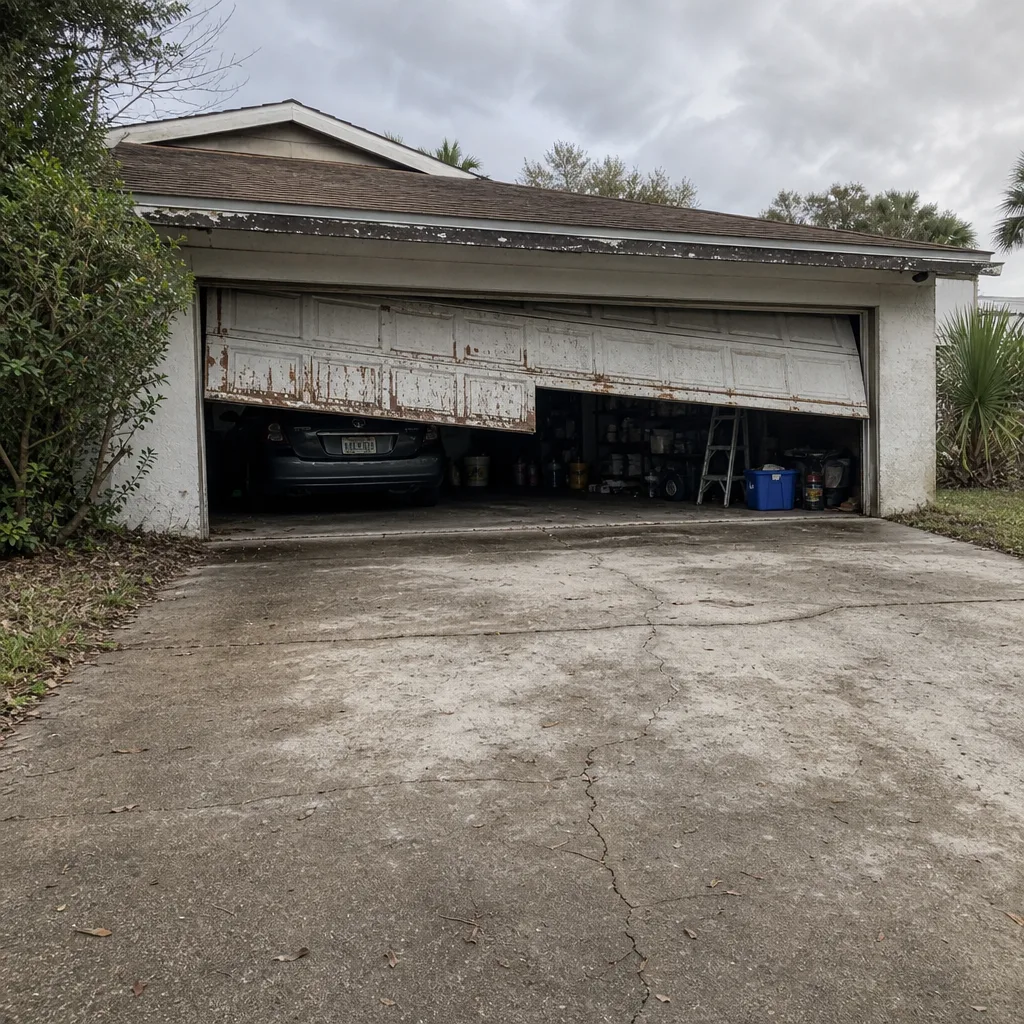 Before
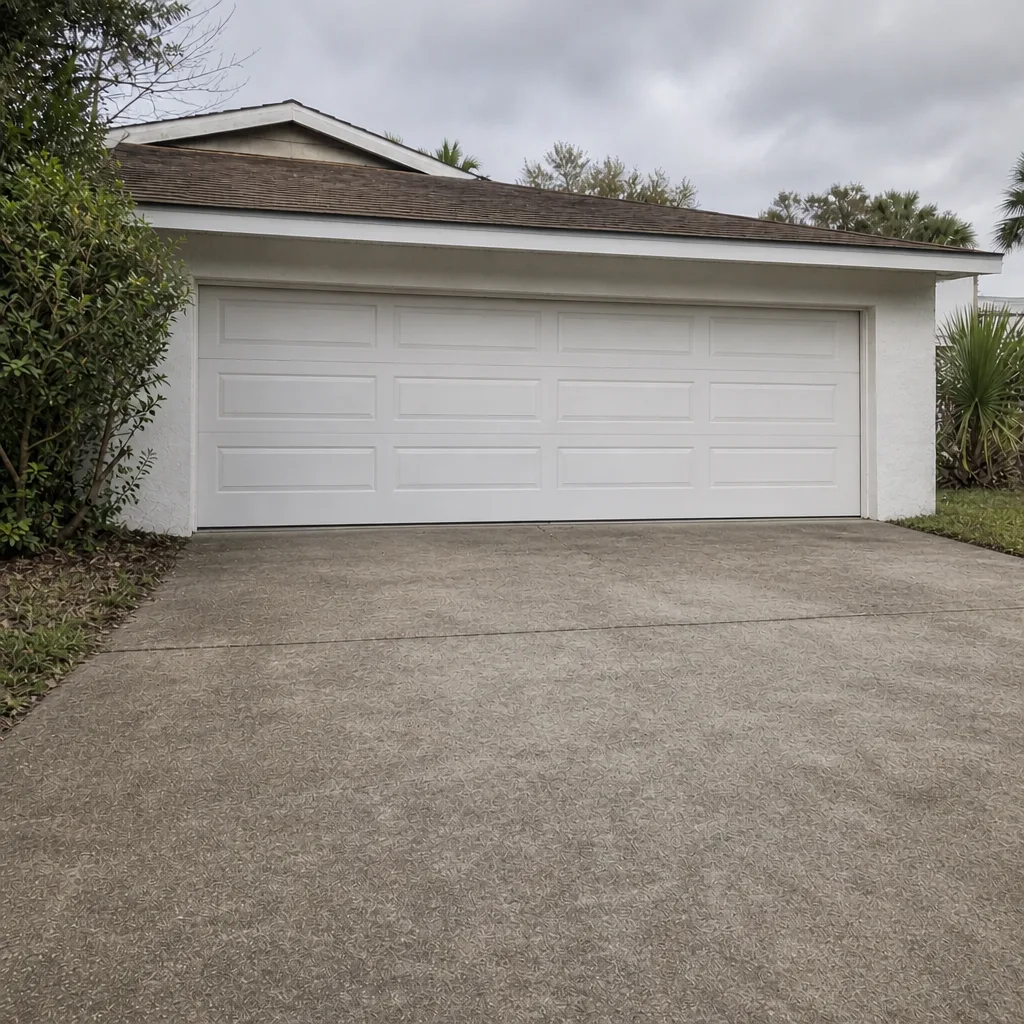 After
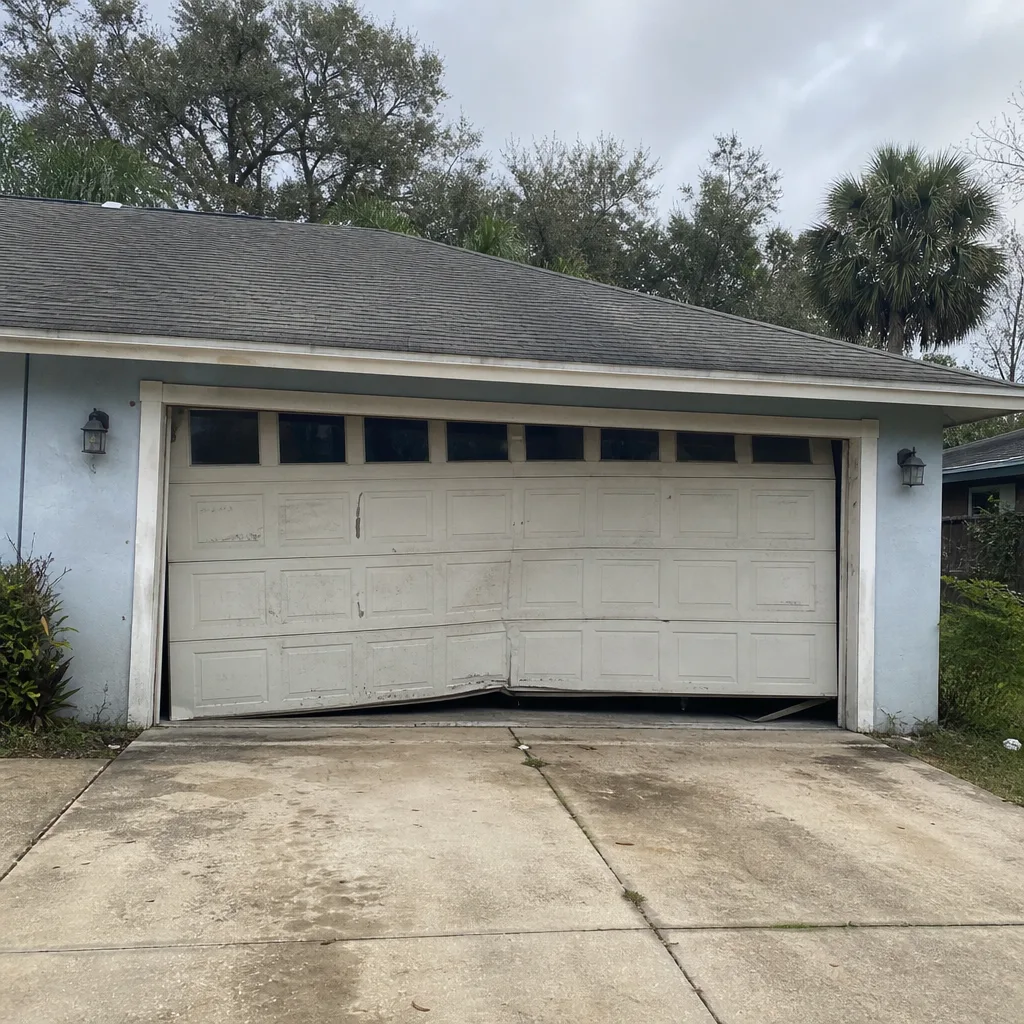 Before
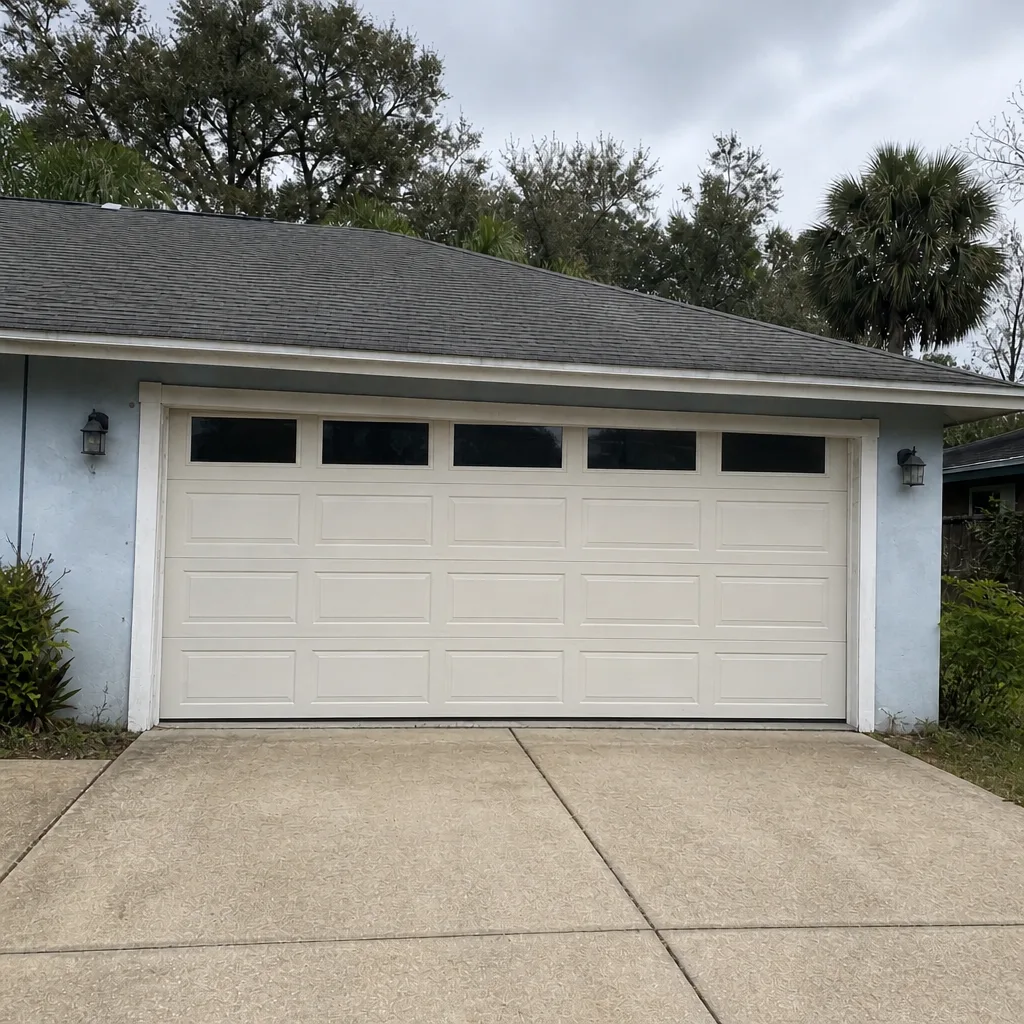 After
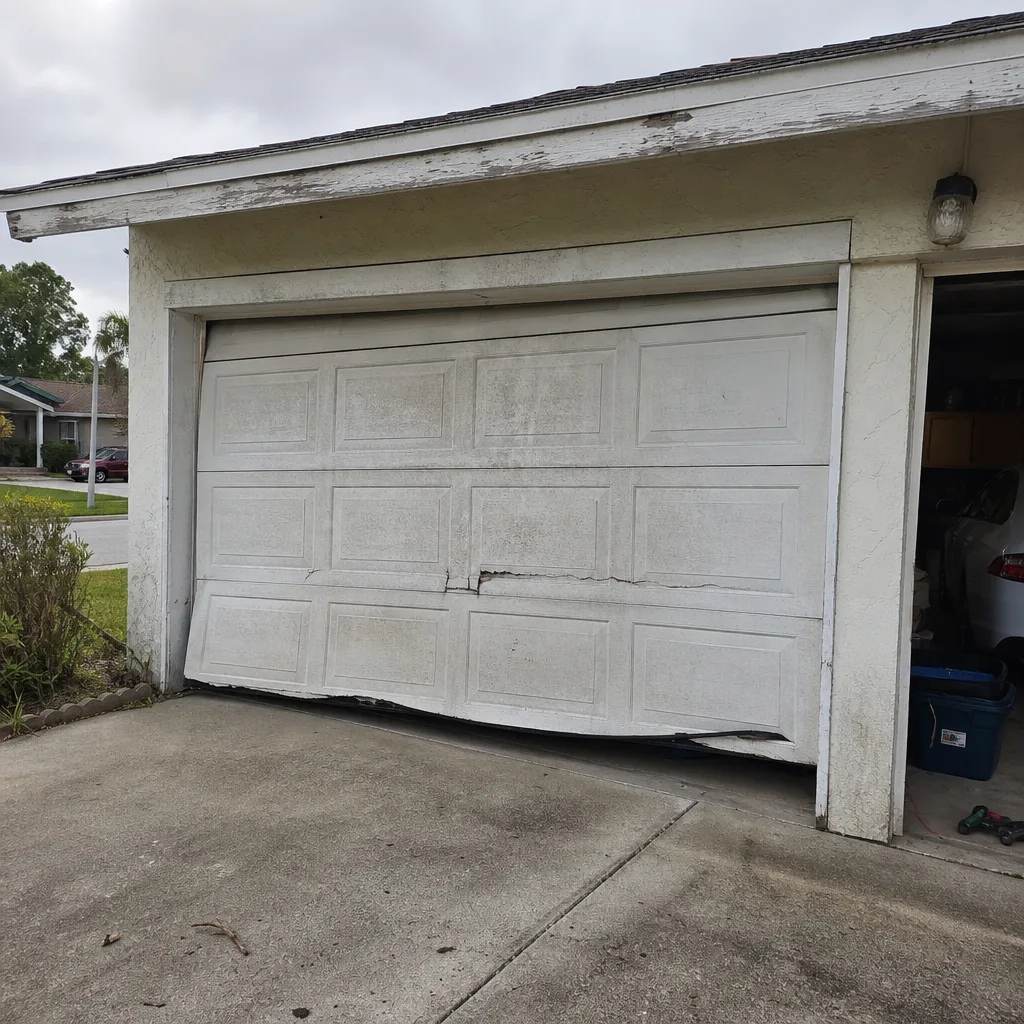 Before
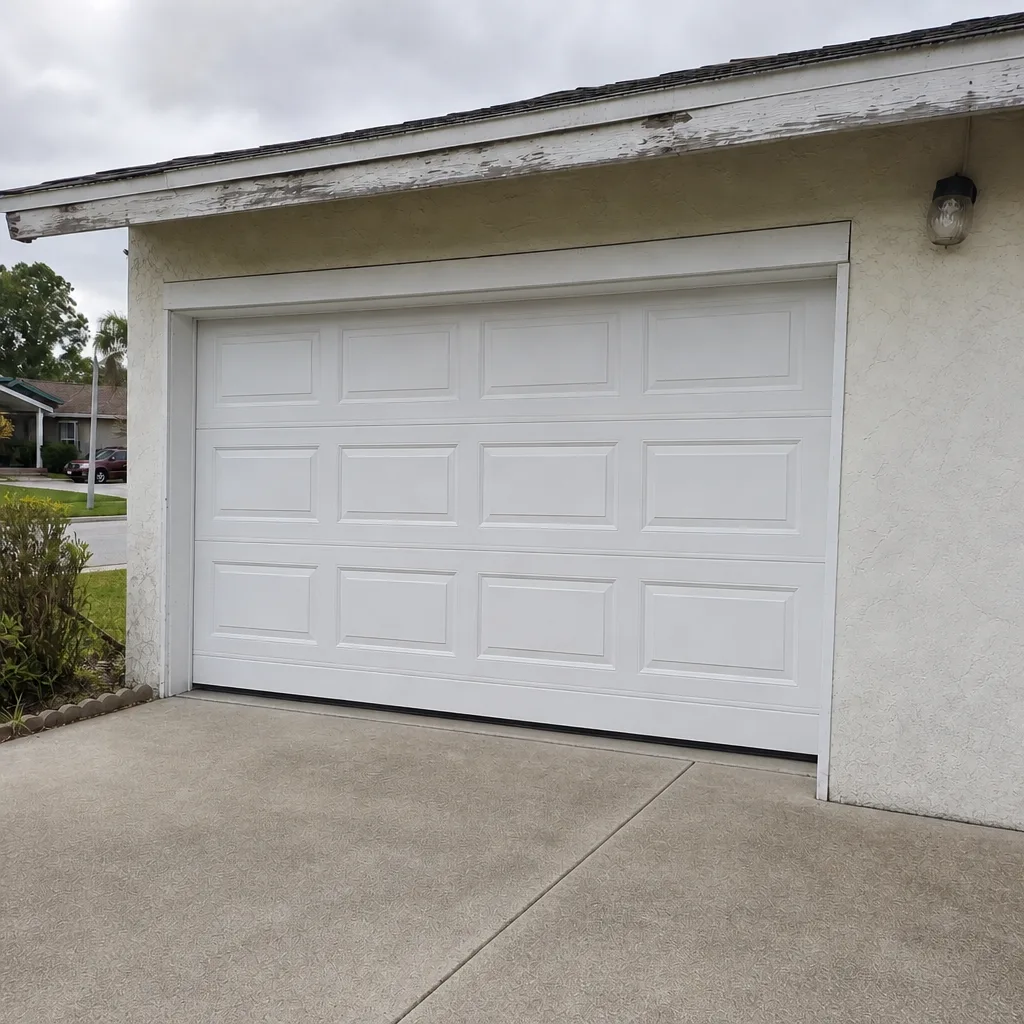 After
When to Call a Professional
Call a professional when you see rust on the springs, hear popping or a bang from the garage, fail the balance test, or notice a gap under the bottom seal that lets water in. Also call if the opener reverses repeatedly, if the door hesitates or drags, or if the remote has lost its range. These are exactly the moments between a routine repair and an emergency. When you’re ready, call (866) 937-7159. Daytona Beach Garage Door Repair Pros offers free estimates in Daytona Beach. We answer 24/7, and fast dispatch runs from 7am to 7pm, Sunday through Friday. If the door fails outside those hours, call and we’ll book you into the next opening. Every price is quoted and agreed before any work starts, so you know the cost before a technician touches the door.
Frequently Asked Questions
Spring repair in Daytona Beach typically runs around $180 to $340 for a single spring replacement, and a matched pair is usually replaced together, so expect roughly double that for a pair. The written estimate sets the final price before work begins, and the estimate itself is free. Call (866) 937-7159 for an exact quote.
Yes, for same-day repair work we can often dispatch a technician the same day. We answer 24/7 at (866) 937-7159, and fast dispatch runs from 7am to 7pm, Sunday through Friday. A call outside dispatch hours gets booked into the next opening, and the door gets priority.
Watch for rust on the spring coils, a half-second hesitation before the door lifts, and popping or loud bangs. The 30-second balance test is the clearest signal: disconnect the opener, lift the door halfway, and let go. If it drops or rises on its own, the springs need to be checked by a technician.
No, the written estimate is the price you pay for the scope of work described in it. If the inspection uncovers a broader problem, we explain the new scope and the new price before any work starts. You approve it first, every time. That’s true for spring work, opener repair, and full door replacement.
A hesitation almost always means friction somewhere in the system: a losing torsion spring, a worn roller, a stiff hinge, or thin lubrication. The opener has to compensate with more force, and that’s what you hear as a pause. Left alone, the friction accelerates spring fatigue and can damage the opener motor.
Most garage door openers last around 10 to 15 years, but the humidity in Daytona Beach shortens that if the opener isn’t serviced. A logic board that’s started to fail or gears that are grinding are both signs it’s near the end. That’s when a replacement often costs less than repeated repairs.
We answer 24/7, so your call is always picked up. A call outside dispatch hours is booked into the next opening, Sunday through Friday, 7am to 7pm, and your door gets priority for that slot. We don’t leave a stuck door for later in the week.
The Bottom Line
The warning signs worth watching are usually the quiet ones: a half-second hesitation, rust on the spring coils, a bottom seal that’s gone soft, or an opener that’s started to reverse on its own. Any one of them means the system has changed and it’s worth a look. In Daytona Beach, the humidity accelerates all of these, which is why an annual inspection is the least expensive garage door service you can book. Catch a warning in its window and it stays a repair. Miss it, and you’re looking at an emergency at the worst possible time. Call (866) 937-7159 for a free estimate. We’ll check the springs, the opener, and every panel in between, and the price is quoted and agreed before any work starts. We answer 24/7, with fast dispatch from 7am to 7pm, Sunday through Friday.
Written by the team at Daytona Beach Garage Door Repair Pros.