
Last updated November 21, 2026
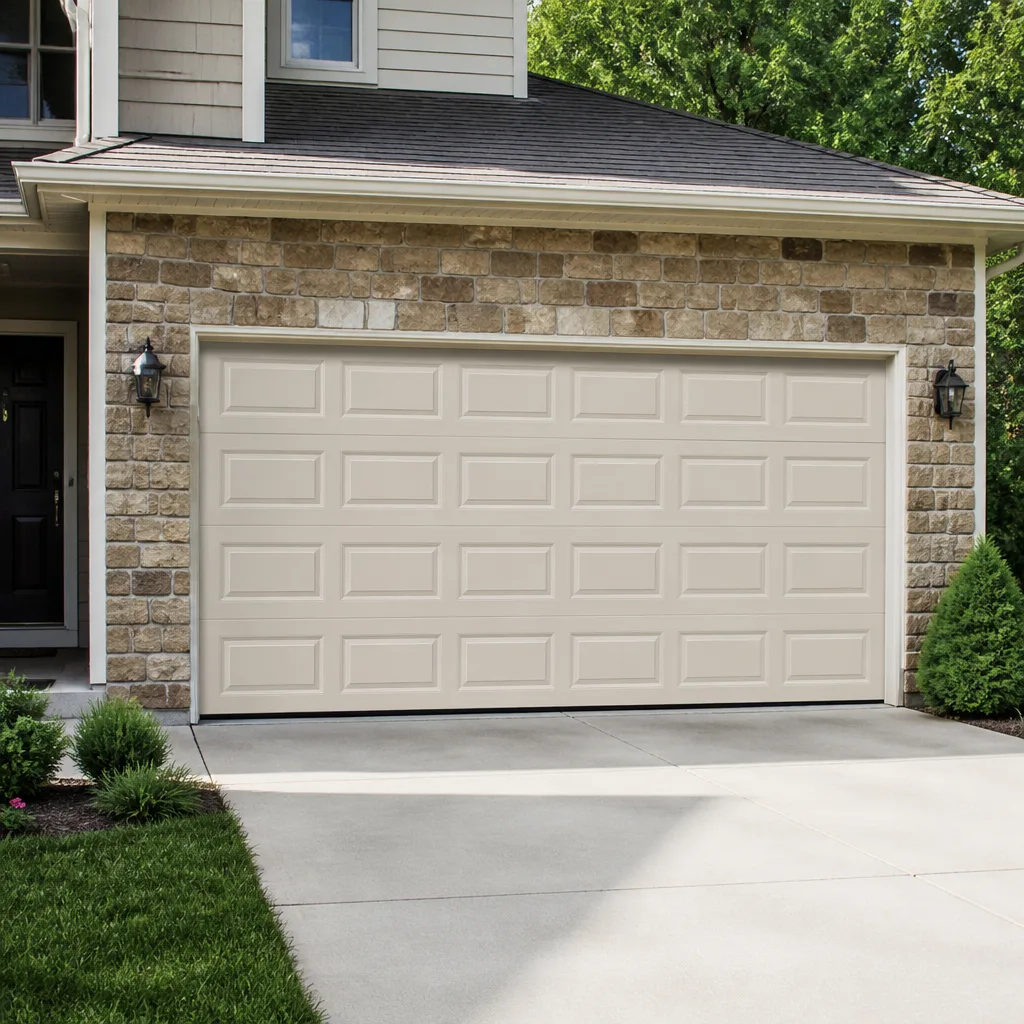 Raised-panel steel
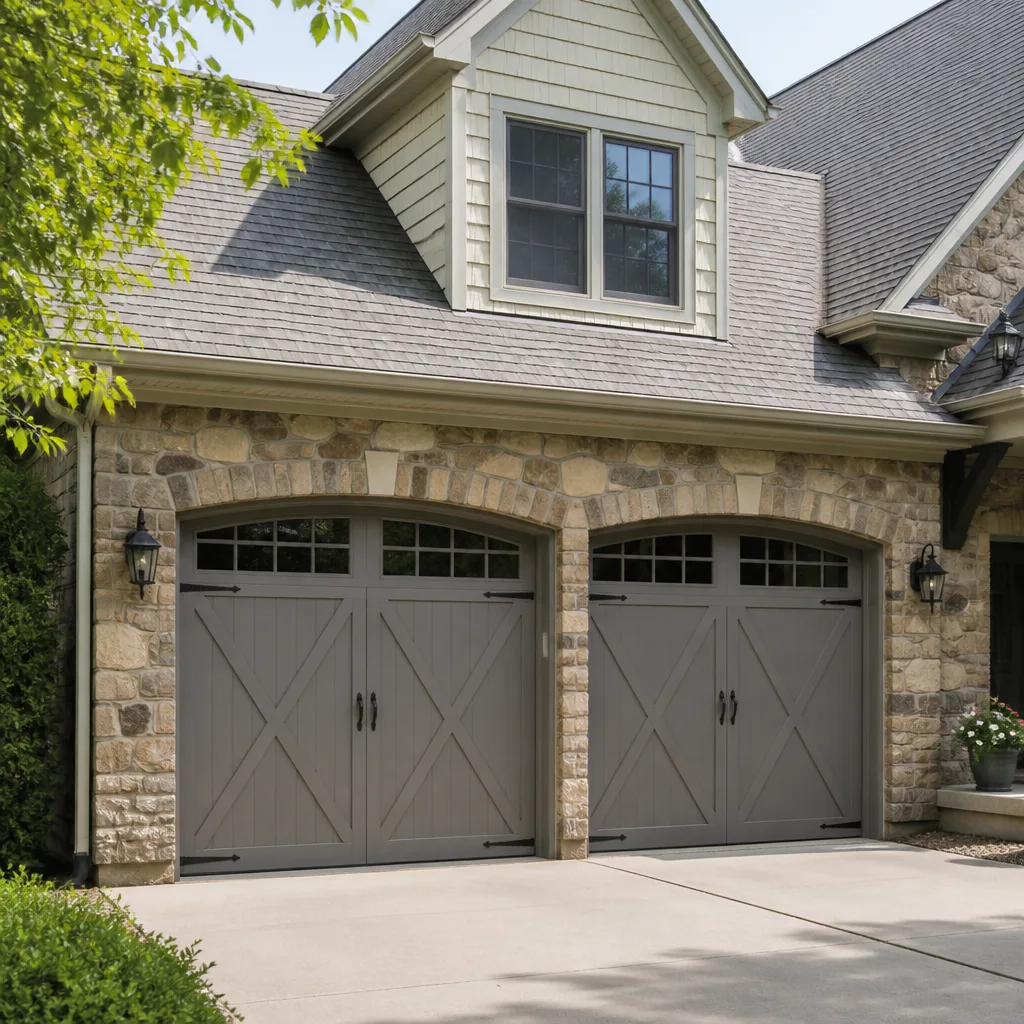 Carriage house
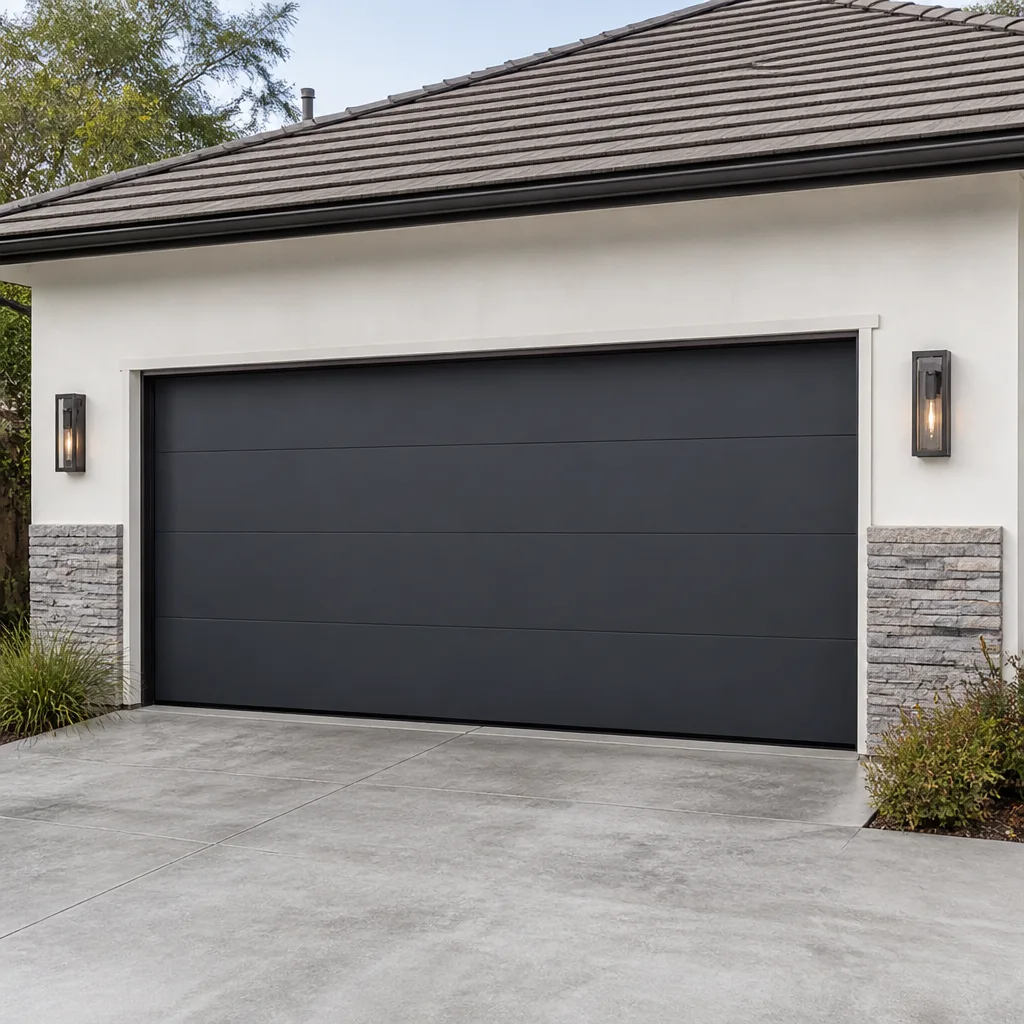 Modern flush
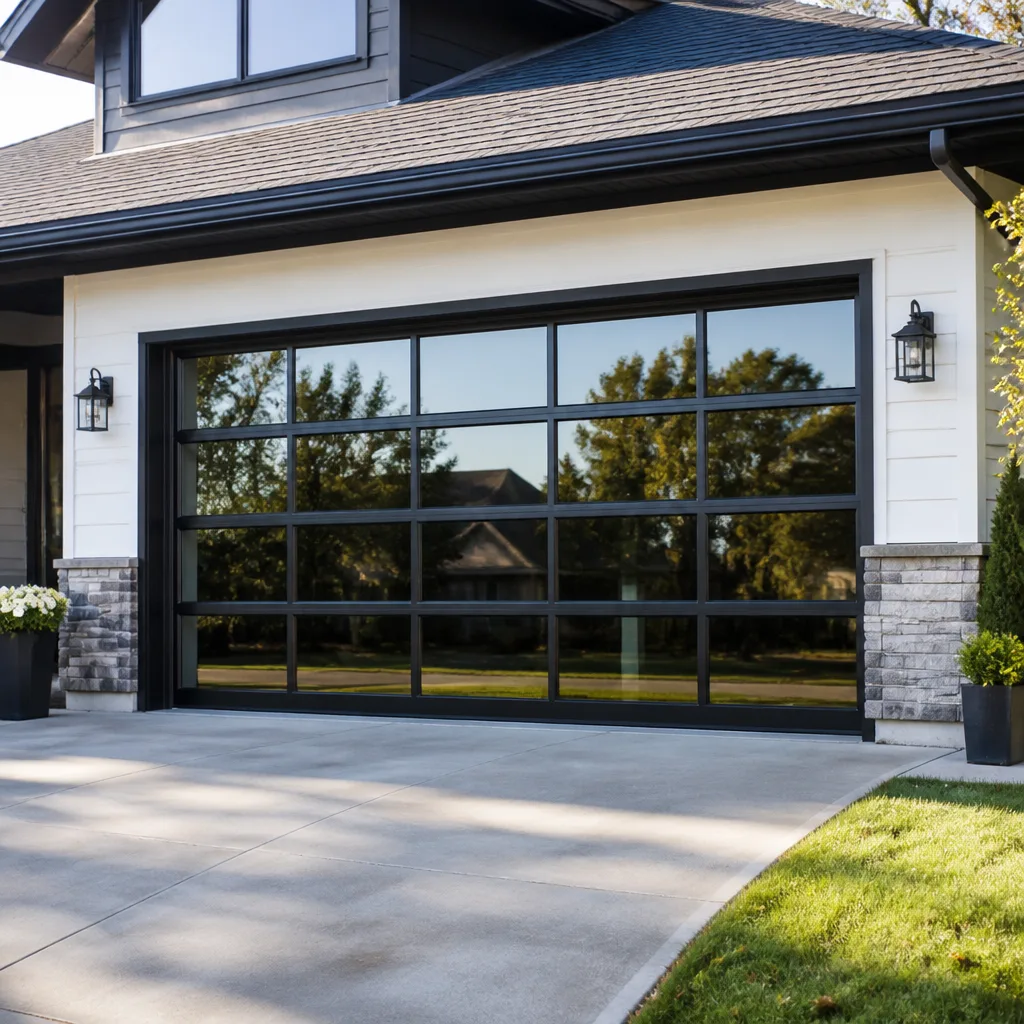 Full-view glass
 LiftMaster openers
 Chamberlain openers
Full 25-point door and opener safety check with every visit - springs, cables, rollers, tracks, and your LiftMaster or Chamberlain opener included
You get a price before we start. It does not change when the pro arrives.
Get your free estimateGarage Door Permits, Codes & Inspections in Daytona Beach, FL: What You Need to Know
Here’s the part most homeowners skip: in Daytona Beach, a garage door isn’t a cosmetic upgrade you can swap out on a whim. Because of how Florida’s building code treats wind-borne debris regions, replacing a door, changing panels on a rated assembly, or installing a new opener can all fall under permit review – and the rules aren’t identical between the City of Daytona Beach and the surrounding unincorporated parts of Volusia County. Plenty of people assume a garage door is “just a door” and pay a handyman cash to drop in a new one. Then a storm comes through, an adjuster opens the file, and the paperwork that should have come from a building department simply isn’t there.
That gap is exactly what this guide closes. We’ll walk through when a permit is actually required in Daytona Beach, what inspectors look for, how wind-load ratings work on a real spec sheet, how the inspection timeline usually runs, and what unpermitted garage door work means for insurance and resale. It’s written for people getting ready to replace a door, or who suspect a previous owner did the job without ever calling the city.
Quick Answer
In Daytona Beach, most garage door replacements and any work that changes the door’s wind-load rating or structural attachment require a building permit through the City of Daytona Beach or Volusia County, depending on where you live. Simple repairs – replacing a broken spring, cable, roller, or opener – typically do not need one. When in doubt, call your local building department before any work starts; it’s a short call and it settles the question for your specific address.
Styles & brands we work with
- Raised-panel steel
- Carriage house
- Modern flush
- Full-view glass
- LiftMaster openers
- Chamberlain openers
Table of Contents
- When Does a Garage Door Project Need a Permit in Daytona Beach?
- Wind-Load Ratings and What “Wind-Rated” Really Means
- Florida Building Code Requirements for Daytona Beach Garage Doors
- How the Inspection Process Works, Start to Finish
- Contractor-Pulled vs. Homeowner-Pulled Permits
- How Unpermitted Work Affects Insurance and Resale
- What Doesn’t Need a Permit: Springs, Openers and Repairs
- Choosing a Contractor Who Handles Permits Correctly
When Does a Garage Door Project Need a Permit in Daytona Beach?
Garage door replacement requires a permit in Daytona Beach in most cases where the door is a rated component of the building envelope. That’s the plain-language version. The City of Daytona Beach and Volusia County both administer building permits, and which one handles yours depends on your address – city limits versus unincorporated county – so the first call is always to confirm jurisdiction.
Here’s how the work roughly breaks down by project type:
- Full door replacement: Permit required in most cases. The new door must meet current wind-load requirements for the address, and the installation method matters as much as the door itself.
- Panel replacement or swap: If you’re replacing a door section on a rated assembly with a different rated panel, expect permit review. Matching an existing approved set may be simpler, but the building department needs to see the paperwork.
- New opener installation on an existing door: Usually does not require a permit on its own, unless your local department classifies it as an electrical or structural alteration for your address.
- Track, spring, cable, roller, hinge repair: Generally permit-free maintenance.
- Converting a garage to living space or adding a new garage: Separate permit, much larger scope, not handled by a garage door company alone.
The confusing middle is panel changes and any modification that could weaken the door’s rated assembly. If the manufacturer’s approval documents can’t be produced, the door may no longer qualify as rated for your wind zone, and that’s the point where a small cosmetic job turns into a compliance problem. In Daytona Beach, where the building stock ranges from older homes near the Halifax River to newer construction out toward LPGA Boulevard, we’ve seen both a simple match and a full engineered replacement called for on nearly identical-looking jobs. The address and the existing door’s documentation decide it.
Wind-Load Ratings and What “Wind-Rated” Really Means
“Wind-rated” on a garage door spec sheet is a shorthand, not the whole story. What the building department actually looks at is the design pressure rating of the complete door assembly – panels, tracks, hinges, rollers, and the anchors that tie it into the wall – plus the installation method used to secure it. A rated door installed with the wrong fasteners, or into a wall that wasn’t prepared for it, doesn’t perform the way the label claims.
This is the piece most homeowners miss when comparing quotes in Daytona Beach. Two bids can list the same manufacturer and model number and still differ in whether the hardware, reinforcement struts, and anchor pattern meet the design pressure for the address. When the spec sheet says a door is rated for a certain pressure, that rating is conditional on the installation matching the manufacturer’s published assembly instructions.
What to look for on the paperwork:
- Design pressure (DP) rating stated as a number, not just the word “rated.”
- Florida Product Approval number for the specific model and installation configuration.
- Approval drawing showing the anchor spacing and strut placement required to achieve the rating.
- Matching label on the door itself that corresponds to the approval documents.
A quality installation for Daytona Beach homes includes reinforcement that matches the manufacturer’s assembly instructions, correct-grade anchors into the framing, and the door sitting level and square so the seals seat against the opening. If you want a look at the repair side of this – springs, cables, and the wear items that get an existing rated assembly flexing where it shouldn’t – our garage door spring repair page explains what we see and what it costs. Springs and cables are under high tension and belong in trained hands; we don’t recommend adjusting them yourself.
Florida Building Code Requirements for Daytona Beach Garage Doors
The Florida Building Code treats garage doors as part of the building envelope, which means they must meet the wind-load requirements for the location where they’re installed. Daytona Beach falls in a wind-borne debris region, so the requirement is real and enforced at permit time. The exact figures for your property come from the code edition your jurisdiction is currently enforcing plus the specific wind speed assigned to your address – the building department is the authority, and a licensed contractor will check it before ordering anything.
What this actually means for a replacement project in Daytona Beach:
- The new door has to be approved for the design pressure of the opening, not just any door labeled “hurricane rated.”
- The installation method (anchors, struts, reinforcement) has to match the approval documents.
- Any glazing or window inserts in the door need to meet impact requirements if they’re part of the rated assembly.
- The opener is separate from the structural requirement, but the door must operate correctly under the added weight of rated hardware – which is where proper opener sizing matters.
A common question here is whether you can just re-use the door tracks from a previous rated door. Sometimes yes, sometimes no. The existing tracks may not be rated for the new panels, or the manufacturer’s approval may call for a specific track configuration that doesn’t match what’s on the wall. A reputable installation contractor checks this before ordering, because a wrong track selection can sink the whole inspection.
Openers add another layer. If your door is getting heavier due to rated hardware, opener capacity needs a look. We work with the major brands – LiftMaster, Chamberlain, and Genie are the three most common in Daytona Beach homes, alongside Clopay for the door itself – and each has its own guidance on what the opener can handle. Our garage door opener repair page covers the operational side if you want the deeper detail.
How the Inspection Process Works, Start to Finish
The permit process isn’t mysterious once you know the sequence. Here’s the typical flow for a garage door replacement in Daytona Beach, from first call to final sign-off:
- Confirm jurisdiction. City of Daytona Beach or Volusia County, depending on your address. This determines who issues the permit and who inspects.
- Gather the documents. Florida Product Approval for the door and its installation configuration, plus the manufacturer’s assembly instructions. Pull the property’s wind speed requirement from the building department records.
- Submit the permit application. Either the contractor pulls it (the common route) or the homeowner pulls it. More on the difference below.
- Plan review. The department reviews the submittal. Review time varies with workload, so allow time in the schedule before delivery.
- Install the door. Work is performed to the approved drawings – anchor spacing, strut placement, and everything else the product approval specifies.
- Schedule the inspection. The permit holder (usually the contractor) schedules the inspection once installation is complete. The inspector verifies the installed door, the label, the anchor pattern, and the connection to the framing.
- Final approval. Once the inspection passes, the permit is closed. Approval paperwork becomes part of your property record and your insurance file.
What the inspector checks on the day is really three things: is this the approved product, is it anchored the way the approval says, and does it operate correctly. That means the door has to be functioning before the inspection, including a proper seal and correct track alignment. If a door arrives damaged or a panel is the wrong spec, the inspection won’t pass and the process restarts on that piece. That’s one more reason ordering accuracy on the front end matters – the correct model number, the correct hardware, the correct panel weight.
The typical timeline from permit application to final approval runs in the range of a few weeks for a straightforward replacement in Daytona Beach. That’s a general expectation, not a promise, because volume at the building department and any incomplete documentation both push the date back. Installation itself usually happens in a single day once the permit clears and the door is on site.
Contractor-Pulled vs. Homeowner-Pulled Permits
The permit should be pulled by whoever is actually doing the work. That’s the cleanest arrangement and the one most building departments expect. There’s a narrow set of situations where a homeowner pulls their own permit, and it’s worth knowing why the distinction matters.
When the contractor pulls the permit:
- The permit holder is the party responsible for the installation meeting code.
- The contractor typically schedules the inspection and manages communication with the building department.
- If something fails inspection, the correction is the contractor’s responsibility to complete.
- You receive the approval documentation at the end for your records.
When the homeowner pulls the permit:
- This is appropriate when the homeowner is doing the work personally on their own home, which is uncommon for a garage door replacement in Daytona Beach because the technical requirements are substantial.
- The homeowner becomes the responsible party for inspection and for corrections.
- Any insurance or resale benefit depends on the work passing inspection under that permit – and having the approval documented.
The trap with homeowner-pulled permits is when a contractor asks the homeowner to pull it to save the contractor a step. That shifts risk onto you. A professional garage door contractor for a replacement or structural change should offer to pull the permit as a standard part of the project. If they never bring it up, that’s a signal to ask why. On a repair, no permit is normally needed, and we say that plainly. On a full replacement, the permit is part of the job. You can see how we structure full projects on our garage door repair page – the same permit logic applies to replacements and installations across the Daytona Beach area.
How Unpermitted Work Affects Insurance and Resale
Unpermitted garage door work is a quiet problem. Nobody notices at the time. The trouble shows up years later, usually during a claim or a sale, when the paperwork that should be on file isn’t. Here’s what actually happens.
Homeowner’s insurance policies generally assume the property is code-compliant and that structural changes have been permitted and inspected. After a storm, an adjuster reviews the claim and may ask for documentation on any recently installed building envelope component. If the garage door was replaced without a permit, the insurer can question whether the installation met the wind-load requirement – and in a worst case, they may reduce or decline the portion of the claim tied to that component. The problem isn’t the door itself. It’s the missing inspection record that would have proved it was installed correctly.
Resale disclosure matters just as much. Florida requires sellers to disclose known defects and material facts to buyers. A garage door replacement done without a permit is exactly the kind of item a buyer’s inspector will flag, and a buyer’s lender may require it to be brought into compliance before closing. That can mean pulling a permit after the fact, sometimes with an inspection of existing work, and the process is slower and more expensive than doing it correctly the first time.
When a garage door was installed with a permit in Daytona Beach, the approval is part of the property record. That record travels with the home through a sale and can support an insurance claim. It’s a few weeks of paperwork versus a decade of uncertainty.
A related point: if you don’t know whether the existing door was permitted, you can generally still find out. Building departments keep permit history by address, and a search through the records will tell you what was pulled and when. If the door is newer than the home but there’s no permit on file, treat the installation as unverified until a trained contractor takes a look.
What Doesn’t Need a Permit: Springs, Openers and Repairs
Most of what a garage door company does in Daytona Beach is repair, and repair generally doesn’t require a permit. Replacing a broken spring, a frayed cable, a worn roller, a hinge, or a bent track section is maintenance – it restores the door to function, it doesn’t change the assembly’s rated configuration. Same for most opener repairs and, in most cases, a straight like-for-like opener replacement.
The permit line gets crossed when the work changes something the inspector cares about:
- Replacing the door panels with a different model or rated assembly.
- Changing the anchor pattern or reinforcement to a configuration not covered by the existing approval.
- Changing the door size or opening.
- Adding windows or glazing that changes the assembly.
- Any structural change to the header or framing around the opening.
Repairs still carry their own safety side. Springs and cables are under high tension, and a spring that lets go during a DIY attempt can cause serious injury. We handle those with proper winding equipment and containment – it’s one of our dedicated services, and it’s exactly the kind of work we won’t talk a homeowner through over the phone. Same caution applies to the opener’s electrical connection and to anything that requires working from a ladder at the top of the door. If a repair involves opening the circuit for the opener, a licensed electrician is the right call if you’re not sure of the wiring. Trained hands, correct parts, done once.
If you’re unsure whether your project is a repair or a replacement, that’s a reasonable question to ask before work starts. A quick look will tell. Then you know whether you’re on the repair path (no permit, same-day possible in many cases) or the replacement path (permit, measured order, scheduled installation).
Choosing a Contractor Who Handles Permits Correctly
The permit question is a good test of a contractor before you’ve spent a dollar. A shop that does this properly will raise the permit before you do, explain the process, and include it in the written estimate. Here’s what to look for when you’re comparing bids in Daytona Beach.
- They ask for your address early. Wind speed and jurisdiction both depend on it, so a real quote can’t be built without it.
- They can name the product approval for the door they’re proposing. Model number, approval number, and the installation drawing should be available on request.
- They explain the permit as part of the job, not as an extra line item you have to chase. On a replacement, permit handling is normal scope.
- They know the major brands. Working with LiftMaster and Chamberlain openers, or Clopay and Amarr doors, means the correct parts and correct procedures – no guesswork, no waiting on a mid-repair call to a second company.
- They schedule and manage the inspection. The contractor should be the one coordinating with the building department.
- They put the price in writing and quote it before any work begins. The written estimate sets the final price.
This is also where the “one call covers it all” advantage shows up. A company that handles doors, openers, and springs – plus full installation – doesn’t hand you off mid-repair. If a spring lets go during a busy week, our Daytona Beach Garage Door Repair Pros team can get to the repair same day in many cases. If you’re planning a replacement, the same team handles the permit, the measure, the installation, and the inspection. Different timelines, one contractor.
Common Mistakes to Avoid
- Assuming a garage door is “just a door.” In Daytona Beach, it’s part of the building envelope, and the wind-load requirements apply. Treat a replacement like the structural project it is.
- Letting a handyman install a rated door without a permit. The installation method determines whether the rating holds, and a handyman can’t sign off on that. This is where later insurance problems start.
- Pulling the permit yourself because the contractor asked you to. That shifts inspection responsibility onto you. On a replacement, the contractor should pull it.
- Buying an off-the-shelf door because the box says “hurricane rated.” A label on the carton isn’t the same as product approval for your address and the anchor configuration your wall needs.
- Re-using old tracks without checking the new door’s approval. Rated door, unrated track, no inspection pass. The hardware has to match the assembly.
- Skipping the building department records search on a home you just bought. If the prior door replacement wasn’t permitted, you want to know before it becomes a claim or a resale issue.
- Trying springs and cables yourself because a video made it look easy. Those components hold serious tension. This is the repair that puts people in the emergency room when it goes wrong.
See the difference
 Before
 After
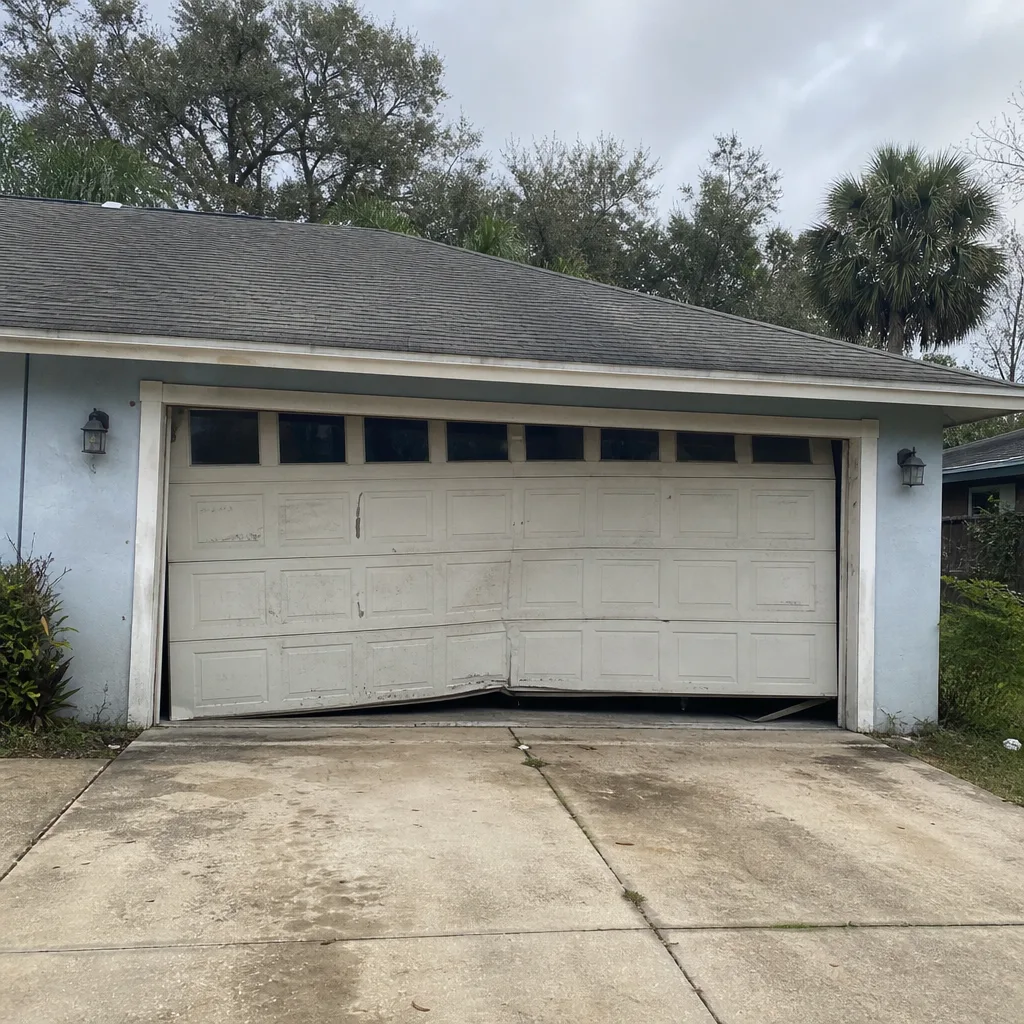 Before
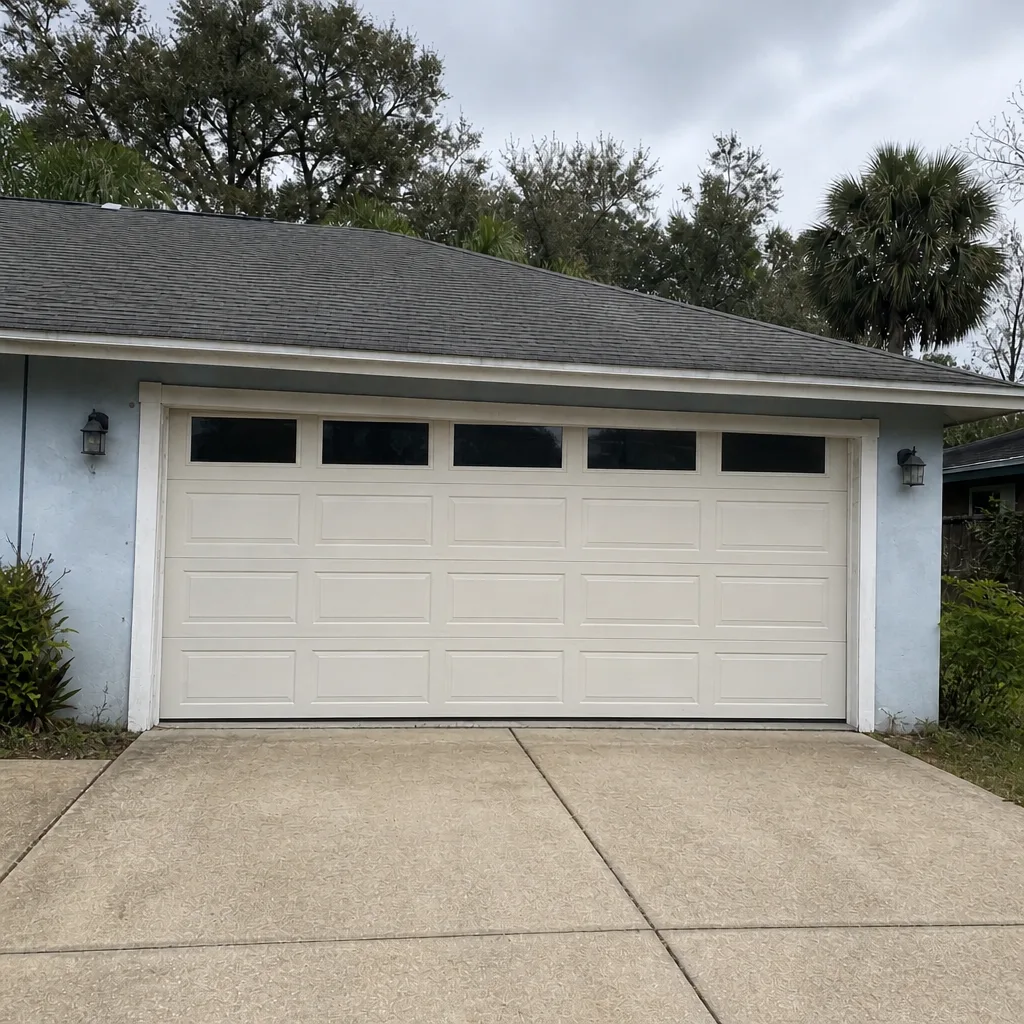 After
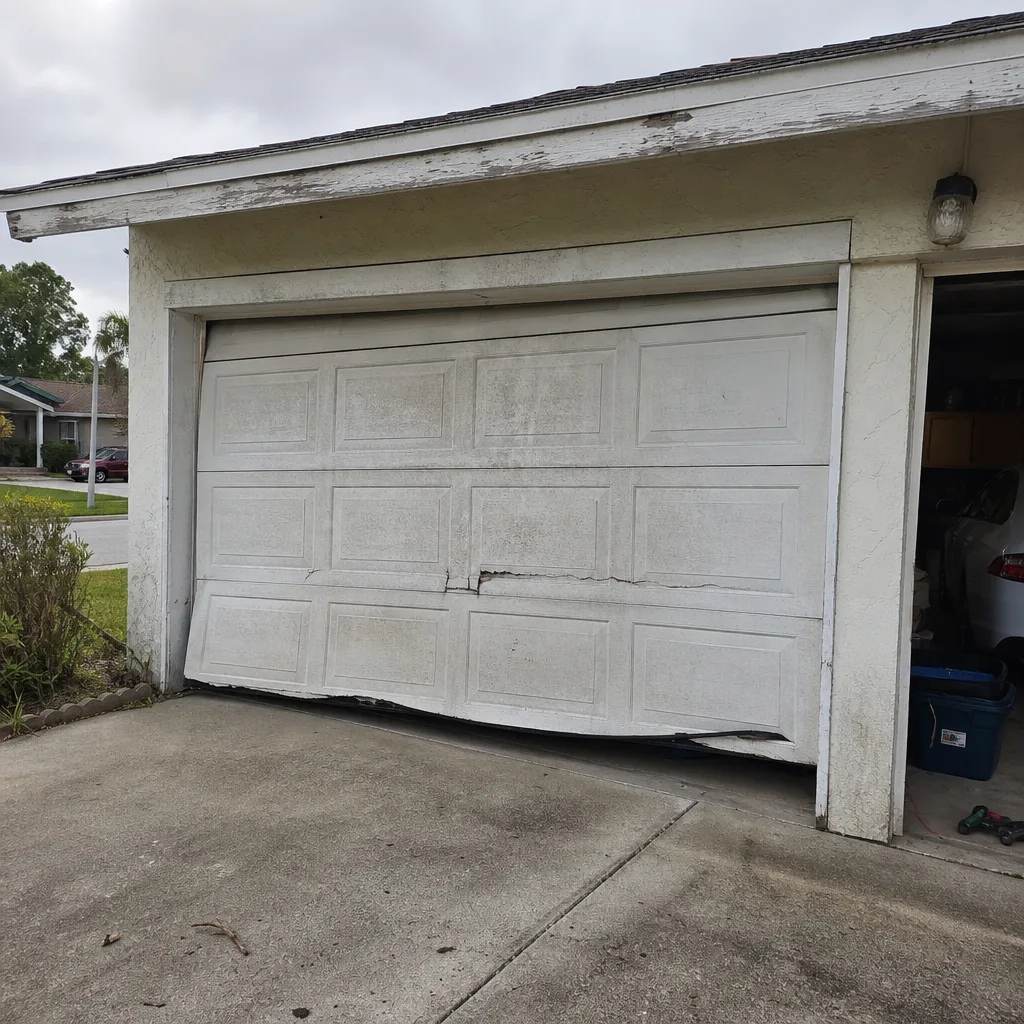 Before
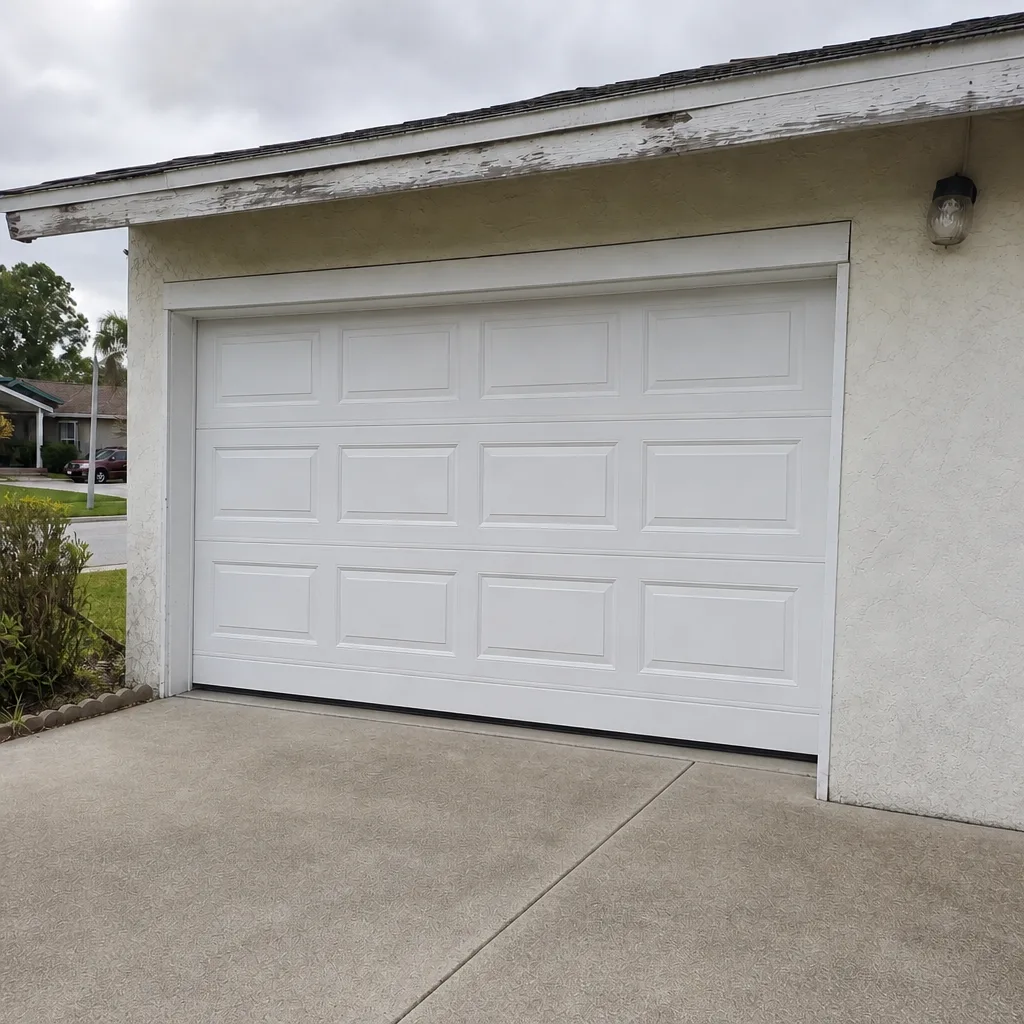 After
When to Call a Professional
Call a professional before you order a door, before you let anyone start installation, and any time a spring, cable, or opener has failed. For a replacement in Daytona Beach, a trained contractor confirms the design pressure requirement for your address, matches the door and hardware to the product approval, pulls the permit, and manages the inspection. That’s a chain of steps where one wrong link can cost you weeks or a claim. For repairs – snapped spring, door off its track, opener dead with the car inside – a trained technician can handle it under normal hours and, in many cases, the same day. Springs and cables are dangerous and don’t belong on the homeowner’s side of the line. Daytona Beach Garage Door Repair Pros offers free estimates in Daytona Beach – call (866) 937-7159. We answer 24/7. Fast dispatch from 7am to 7pm, Sunday through Friday.
Frequently Asked Questions
In most cases, yes. A full garage door replacement in Daytona Beach generally requires a building permit through the City of Daytona Beach or Volusia County, depending on your address, because the door is a rated component of the building envelope. Simple repairs like springs, cables, and openers generally do not require one. Call (866) 937-7159 for a free estimate and we’ll tell you which kind of project you’re looking at.
Permit fees are set by the jurisdiction and vary with the value and scope of the job, so the right source is your building department. Our written estimate quotes the permit as part of the replacement project so there’s no surprise later. The price is quoted and agreed before any work starts. Call (866) 937-7159 for an exact figure on your project – estimates are free.
It means the door assembly has a documented design pressure rating when installed exactly the way the manufacturer’s approval drawing specifies – correct anchors, reinforcement, and track configuration. A door that’s “wind-rated” but installed with the wrong hardware or anchor spacing doesn’t perform to the rating. On a replacement, ask for the Florida Product Approval number and the installation drawing so you can see what the rating actually covers.
The contractor should pull it when the contractor is doing the work. That keeps inspection responsibility with the party who installed the door. A homeowner-pulled permit is generally appropriate only when the homeowner is doing the work personally on their own home, which is unusual for a garage door replacement. If a contractor asks you to pull the permit for their install, ask why before you agree.
You can check the permit history for your address through the building department. If the installation wasn’t permitted, the safest path is to have a trained contractor inspect the door and confirm it matches a valid product approval for the address. In some cases the work can be brought into compliance with a new permit and inspection. On a repair or inspection question, call (866) 937-7159 – estimates are free.
Usually not, if you’re replacing an opener on an existing door. Your local building department can confirm for your address, since the rule depends on how the work is classified. The more important question is whether your new opener can handle the door – especially if the door has rated reinforcement hardware that adds weight. If your opener has failed and the car is stuck inside, call (866) 937-7159. We answer 24/7. A call outside dispatch hours is booked into the next opening, Sunday through Friday, 7am to 7pm.
The Bottom Line
Garage door work in Daytona Beach splits cleanly into two paths. Repairs – springs, cables, rollers, openers – don’t need a permit and can often be handled the same day by trained technicians. Replacements and panel changes on a rated assembly do need a permit, and the permit isn’t a formality; it’s the inspection record that proves the installation matched the wind-load requirement for your address, which becomes your evidence if you ever file a storm claim or sell the home. Get the permit pulled by the contractor doing the work, keep the approval paperwork, and don’t let a labeled box pass for a real product approval. When in doubt, call the building department for the address, then call us for the rest.
Written by the team at Daytona Beach Garage Door Repair Pros.