
Last updated November 21, 2026
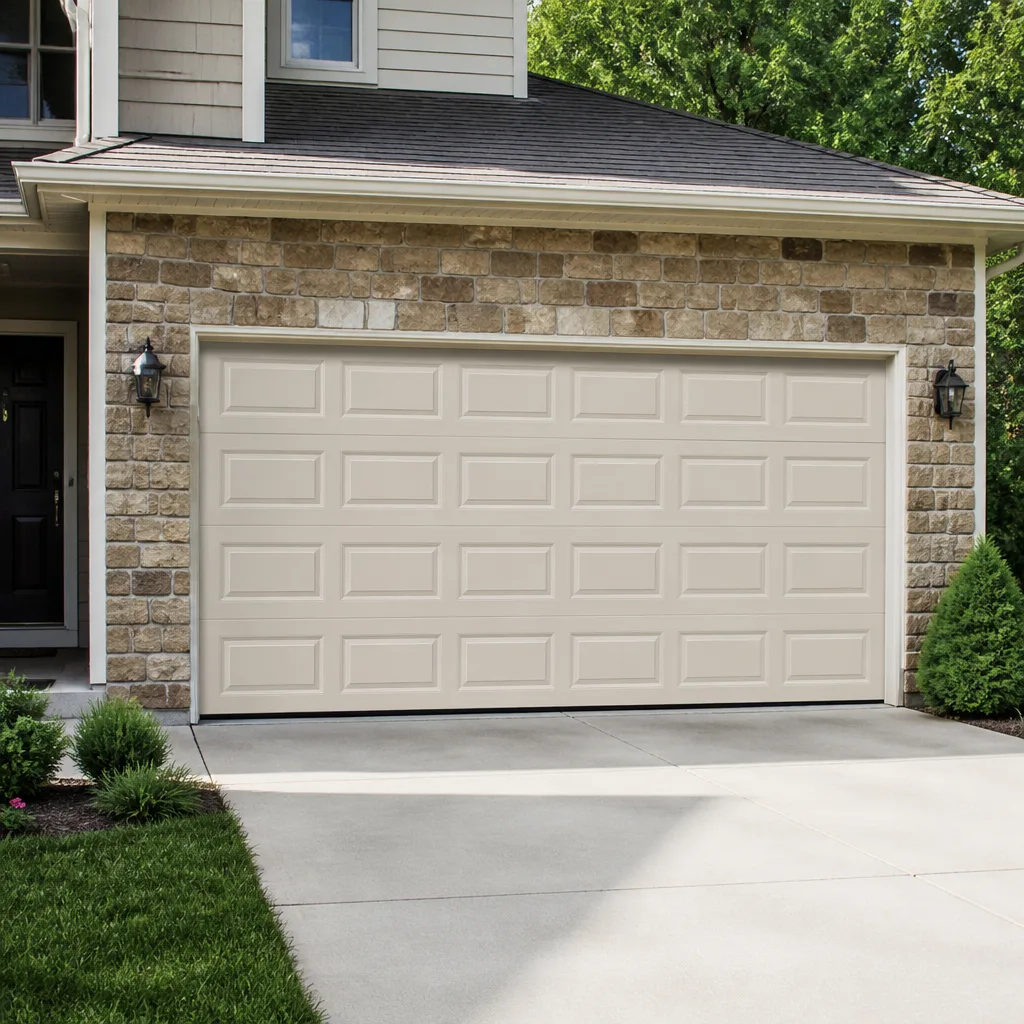 Raised-panel steel
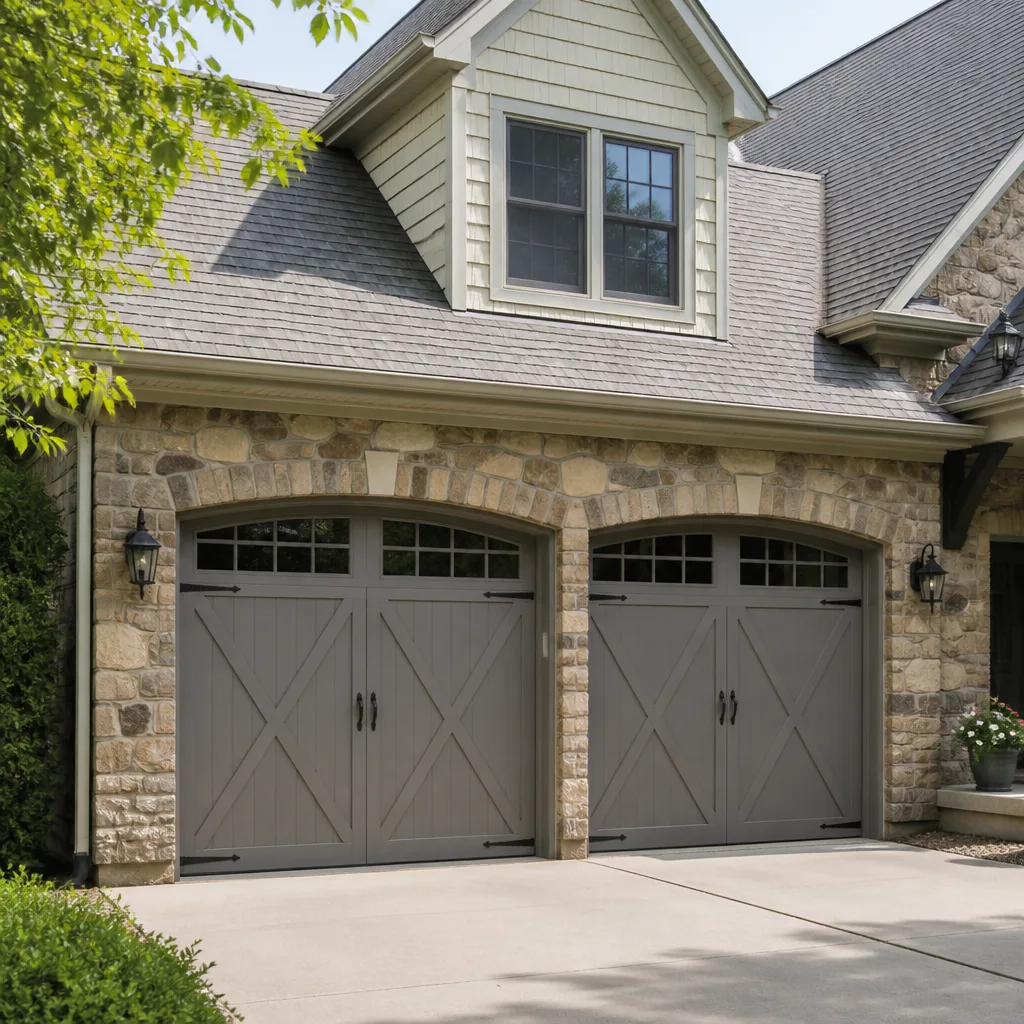 Carriage house
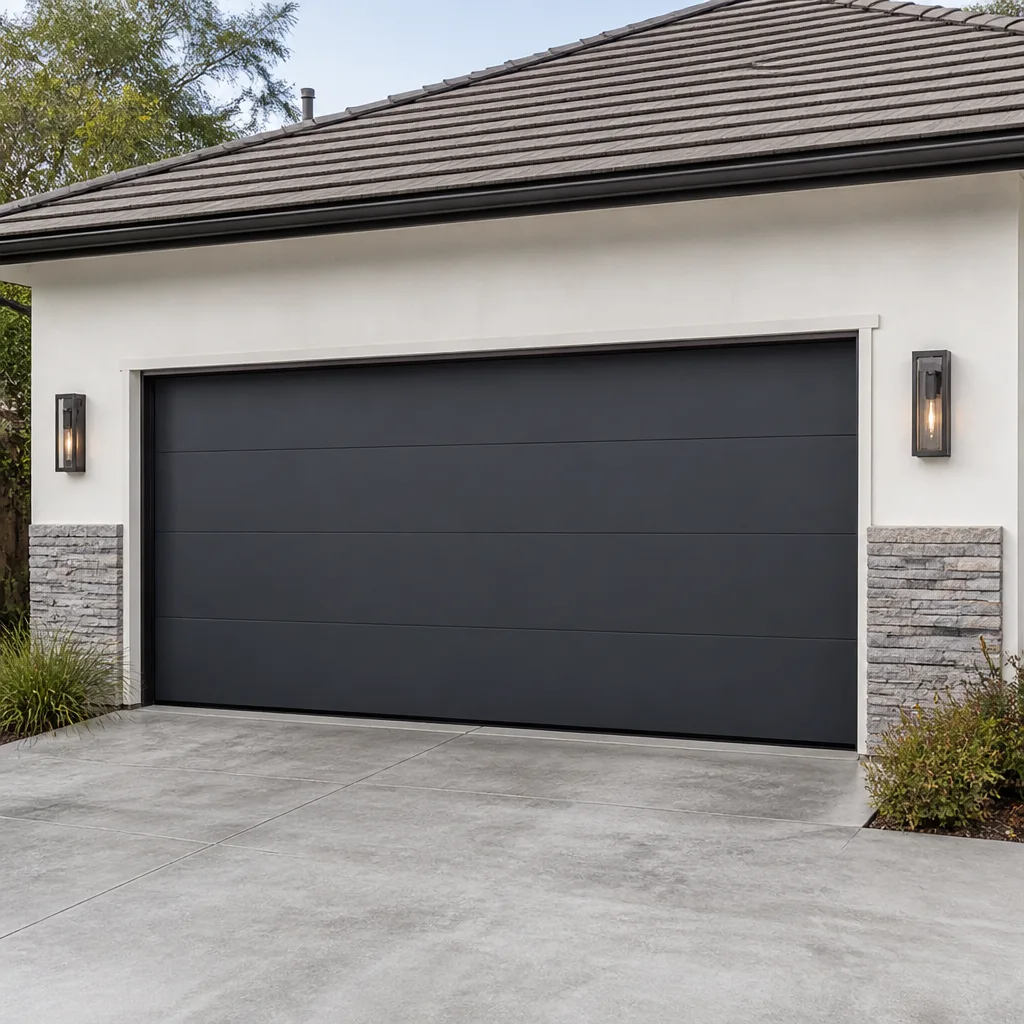 Modern flush
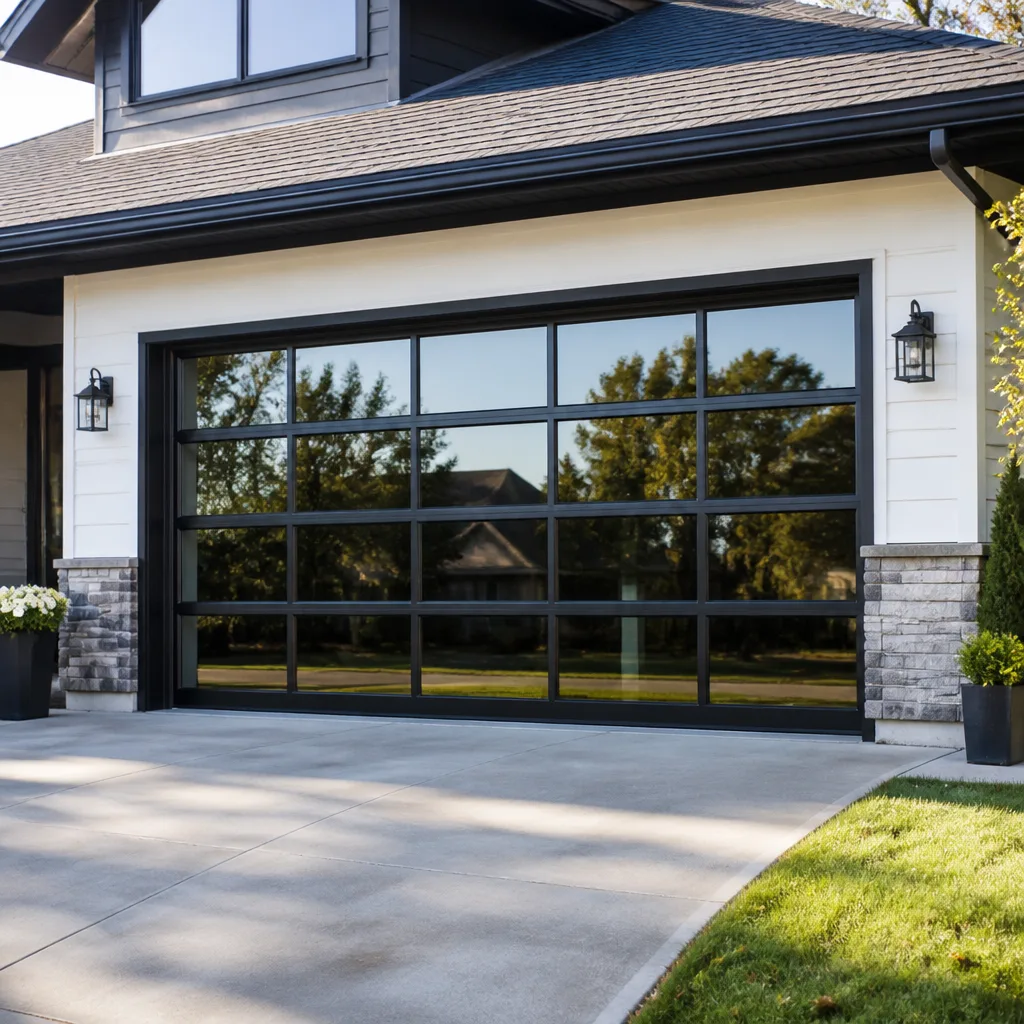 Full-view glass
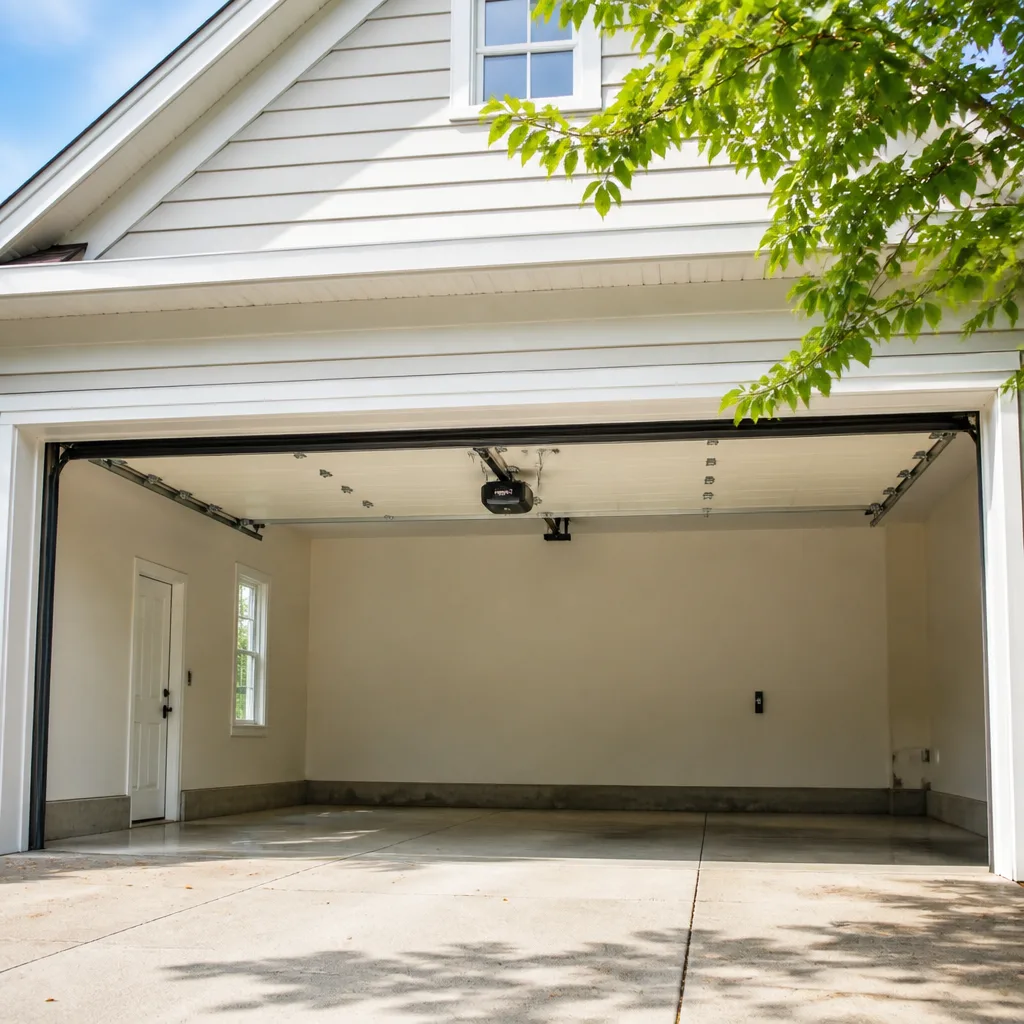 LiftMaster openers
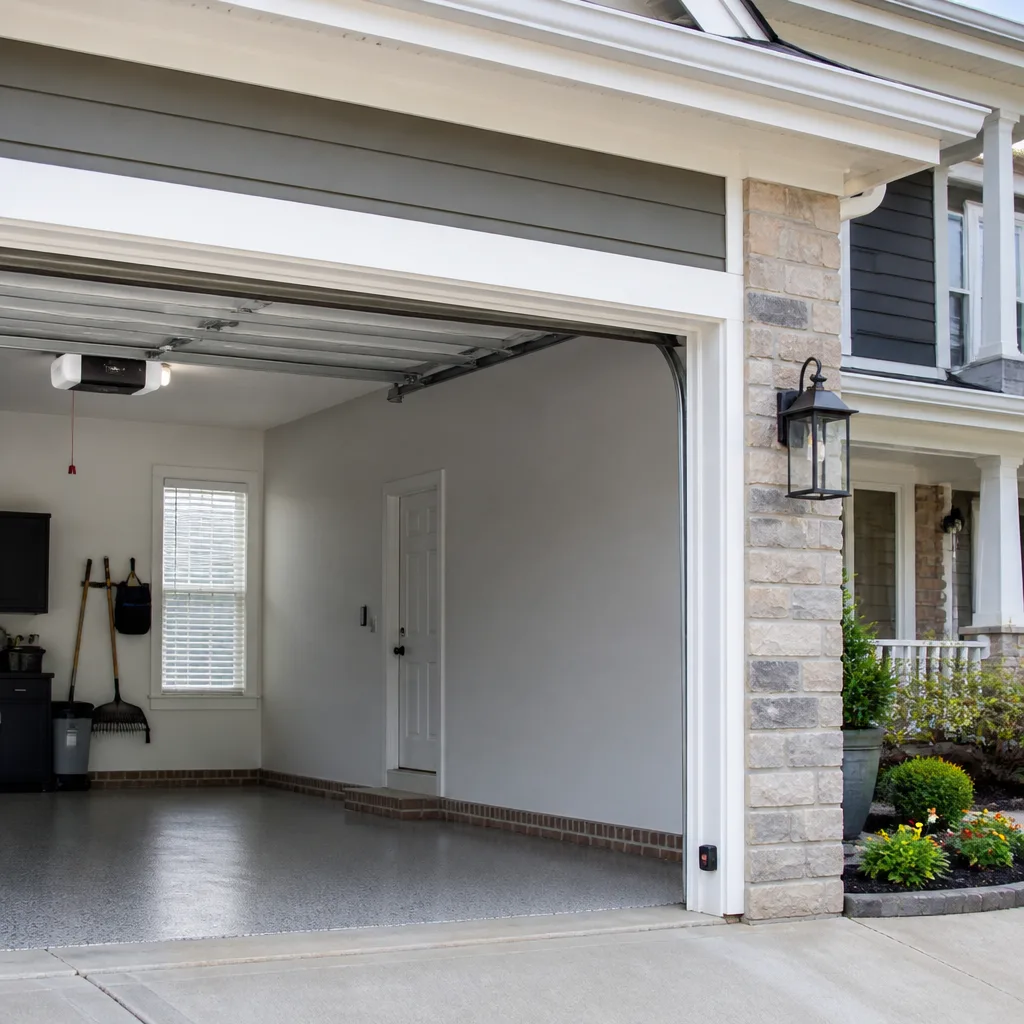 Chamberlain openers
Full 25-point door and opener safety check with every visit - springs, cables, rollers, tracks, and your LiftMaster or Chamberlain opener included
You get a price before we start. It does not change when the pro arrives.
Get your free estimateGarage Door Emergency Preparedness Guide for Daytona Beach Homes
Most homeowners think of a garage door emergency as a mechanical problem: a snapped spring, a dead opener, a door stuck halfway. In Daytona Beach, that’s only half the story. A garage door is also the largest opening in your house, and during a tropical storm or hurricane it’s the first thing that fails under wind pressure. The frustrating part is that the fix is usually simple, but almost nobody practices it before the storm arrives. This guide covers both halves of the problem: what to do when the door breaks on an ordinary day, and what to do in the 24 to 48 hours before a named storm. You’ll learn how the manual release actually works, how to secure a damaged opening, how to build a 20-minute pre-storm checklist, and how to find real help after a storm when the market is flooded with out-of-state trucks.
Quick Answer
A garage door emergency in Daytona Beach comes down to two skills: knowing how to manually release and lock your door, and knowing the pre-storm hardware checks that keep it sealed under wind pressure. Pull the red release cord only when the door is fully closed or fully open – never mid-travel – and lock it manually with a slide bolt or the opener’s lock feature before a storm. If the door is damaged and won’t close, secure the opening from the inside and call a professional before you touch springs or cables. Call (866) 937-7159 for emergency help.
Styles & brands we work with
- Raised-panel steel
- Carriage house
- Modern flush
- Full-view glass
- LiftMaster openers
- Chamberlain openers
Table of Contents
- Why Garage Doors Fail in Daytona Beach Storms
- How to Manually Release and Lock Your Door
- What to Do When a Door Jams Before a Storm
- What to Do After Storm Debris Damages Your Door
- The 20-Minute Pre-Storm Checklist
- How to Find Legitimate Emergency Service After a Storm
- What Emergency Garage Door Service Costs in Daytona Beach
- Common Mistakes to Avoid
Why Garage Doors Fail in Daytona Beach Storms
A garage door is a large, flat, unbraced panel. Under wind pressure, it acts like a sail. Building codes in Florida have long recognized this, which is why garage door wind ratings and reinforcement requirements are written into the code for new construction. That’s not a scare tactic. It’s a structural fact: when a garage door fails, the wind gets inside the house, and pressure builds on the roof and interior walls from below and inside. That’s the mechanism that turns a damaged door into a damaged home.
In Daytona Beach, that risk has a specific rhythm. The Atlantic hurricane season runs from June 1 through November 30, and the peak months for local landfalls are typically August, September, and October. That means most homeowners have a four-month window each year where a mechanical failure and a weather system can land on the same week.
The failures we see most often in the Daytona Beach area fall into a few categories:
- Torsion springs at the end of their cycle life. Springs are rated by cycle count, not by years. A door that opens and closes four times a day wears out springs faster than one used twice.
- Opener logic board or capacitor failure. These often show up as a door that opens a few inches and stops, or one that won’t respond to the remote at all.
- Cable and drum wear. Cables fray near the drum, and a cable that snaps under load can whip unpredictably.
- Track misalignment. Heat expansion, a car bumper, or a shifting slab can pull a track out of true.
- Weather seal and threshold deterioration. A degraded bottom seal lets wind-driven rain in and weakens the door’s seal against pressure.
Most of these are ordinary repairs on an ordinary day. The problem is when they happen during a storm window, when getting a technician out becomes much harder and the stakes are higher. Understanding which parts are prone to failure is the first step in preparing, and it’s why we treat emergency service as a core offering at Daytona Beach Garage Door Repair Pros rather than an afterthought.
How to Manually Release and Lock Your Door
During Hurricane Ian, thousands of Florida homeowners found their emergency release cord did the one thing they didn’t expect: it disconnected the door from the opener but left them with no way to lock the door manually. The door was free, but not secured. This is the single most misunderstood part of garage door operation, and in Daytona Beach it matters during every storm season.
Here’s how the manual release works on the most common residential openers, including LiftMaster and Craftsman units, which use the same basic trolley design.
What the release does: The red cord (often with a T-handle) pulls a lever on the trolley that disconnects the door from the opener’s drive chain or belt. Once released, the door moves freely by hand – and the opener can no longer hold it shut.
The safe sequence:
- Close the door fully using the wall button or remote, and let it settle.
- Pull the red release cord straight down until you feel the trolley lever release. You’ll hear a click.
- Test the door by hand: lift it a few inches and let go. A door with working springs should stay roughly in place. A door that drops is a spring problem – stop and call.
- To reconnect, close the door fully and pull the cord toward the opener (or press the wall button – the trolley will catch on the next cycle on most models).
How to lock it manually: With the door released, the opener can’t hold it. You need a physical lock. The two common options are a slide bolt installed through the track (most common on the inside, near the bottom of each side) or a lock bar that engages the door’s inner frame. On some Wayne Dalton and Raynor doors, a factory manual lock is built into the hardware. If your door has neither, this is the single upgrade to make before storm season – a slide bolt costs very little and takes minutes to install.
Never pull the release cord with the door in motion or at any point except fully closed or fully open. A door released mid-travel can slam down or, if a spring is already broken, drop without warning. If you’re unsure, leave the door alone and call a professional.
What to Do When a Door Jams Before a Storm
If a storm is 24 to 48 hours out and the door is jammed, the priority shifts. You don’t need a fully working door. You need a closed, secured opening. Here’s the sequence we recommend.
- Do not force it. A door that binds partway is usually a track, cable, or spring issue, and forcing it can snap a cable or bend a panel.
- Check the obvious first. Look for an object in the track, a misaligned photo-eye (the small sensors near the floor), or a locked door. These are fixable by hand.
- Try the manual release. If the opener hums but doesn’t move the door, the issue is often the opener, not the door. Releasing the door lets you close it by hand, provided the springs are intact.
- Close it by hand and lock it. With the door fully closed and the trolley released, engage the slide bolt or manual lock. This is your storm seal.
- Brace the opening if the door won’t close fully. Cut a 2×4 to the width of the opening, screw it across the inside framing, and reinforce with a second brace if the gap is large. This is temporary – it will not hold hurricane-force wind – but it prevents the opening from becoming a wind tunnel in a lesser event.
- Call us with a clear description. Tell us the door brand, the symptom, and whether the door is currently open or closed. That conversation lets us tell you whether it’s a same-day fix or a post-storm job.
This is where brand familiarity matters. Knowing whether a LiftMaster trolley can be re-engaged by hand or whether a Wayne Dalton TorqueMaster-style spring system needs a specific approach means the difference between a fix and a delay. We work on the brand you already have, and that includes the four most common residential systems in the Daytona Beach area.
If the jam turns out to be something beyond a quick release – a broken spring, a snapped cable, a bent track – it needs a trained professional. Springs under tension and cables under load are genuinely dangerous, and we don’t recommend attempting repair on either. garage door spring repair is a dedicated service for exactly that reason.
What to Do After Storm Debris Damages Your Door
After a storm passes, the first thing to understand is what not to touch. A garage door that’s been hit by debris, twisted out of its track, or partially collapsed is under unpredictable tension. The panels may be bent, but the springs, cables, and drums are still loaded.
Do not touch:
- Springs, even if they look intact or already broken.
- Cables, especially if they’re loose or frayed.
- The door itself, if it’s sagging, off-track, or partially open.
- The opener, if the door is off-track – running it will make the damage worse.
Do this instead, in this order:
- Photograph the damage before you move anything. This helps with insurance and gives us a clear picture when you call.
- Secure the opening from the inside. If the door won’t close, use plywood or a 2×4 brace across the inside framing. This isn’t a permanent repair; it keeps the house sealed and prevents further intrusion.
- Disconnect the opener. Pull the release cord so the opener can’t try to lift a damaged door.
- Clear debris away from the door’s path so a technician can work safely when they arrive.
- Call a professional for an assessment. The first call should be to someone who can tell you whether the door is repairable or needs replacement.
We can walk you through the assessment over the phone. We answer 24/7, and fast dispatch from 7am to 7pm, Sunday through Friday, means we can often get eyes on a damaged door the same day the call comes in.
The 20-Minute Pre-Storm Checklist
This is the most useful section in this guide. Twenty minutes of hardware checks before a named storm will catch the failures most likely to matter under wind pressure. Do this once in May, before the season starts, and again when a system enters the forecast.
- Test the manual release. With the door fully closed, pull the red cord. Reconnect it. Do it once a year so you know how it feels – during a storm is not the time to learn.
- Check the bottom seal. Run your hand along the rubber or vinyl seal at the bottom of the door. If it’s cracked, missing, or doesn’t touch the floor evenly, replace it before the storm.
- Check the side weather stripping. The vertical seals on each jamb should be intact and in contact with the door face. Gaps let wind-driven rain in.
- Inspect the springs. With the door closed, look at the torsion springs (the horizontal springs above the door) or the extension springs (the springs running along the side tracks). A visible gap in a torsion spring means it’s already broken. Do not attempt to adjust either type yourself.
- Test the safety reverse. Place a 2×4 flat under the door’s path, close the door, and confirm it reverses on contact. If it doesn’t, the opener’s force settings need adjustment.
- Check the photo-eye sensors. Both sensors should have a solid light (not blinking). Clean the lenses with a dry cloth if they’re dull.
- Confirm the door is locked. With the door released from the opener, engage the slide bolt or manual lock. This is the step most people forget.
- Look at the tracks. Run a hand along the inside of each track. Any bend, bump, or debris means the door is at risk of binding under pressure.
If any item on this list fails, that’s the priority over everything else. We can help you sort a fixable issue from one that needs a professional, and there’s no charge for the estimate if you decide you want the door looked at by a trained technician. The goal is that on the day a storm threatens Daytona Beach, your door is closed, locked, and sealed.
How to Find Legitimate Emergency Service After a Storm
After a major weather event, the market gets crowded fast. Legitimate local technicians are backed up for days, and out-of-state contractors arrive with out-of-state pricing and out-of-state paperwork. Here’s how to tell who’s worth calling.
- They can name the brand-specific parts. A real garage door technician will know the difference between a LiftMaster trolley and a Craftsman one, or what a Raynor door’s hardware looks like. If they can’t, they’re guessing.
- They ask questions before giving a price. A legitimate technician wants to know the door brand, the symptom, and whether the door is currently open or closed before they quote anything.
- They put the price in writing. We quote and agree on price before any work starts, and the written estimate sets the final number.
- They don’t pressure you into a full replacement for a repairable door. A bent panel isn’t always a new door. A trained technician can often repair a section, a cable, or a track without replacing the whole system.
- They can service the whole system. Springs, openers, and panels are one mechanism, not three. A single point of contact for the entire garage door system means no hand-offs mid-repair.
- They’re reachable. We answer 24/7, and a call outside dispatch hours is booked into the next opening, Sunday through Friday, 7am to 7pm.
If you’re calling after a storm in Daytona Beach and the phone is busy, that’s a sign they’re working, not a sign they’re not. The reputable shops will get back to you with a clear timeline. For garage door repair after storm debris or a mechanical failure, it’s worth the short wait to use someone who knows the door brand and the area.
What Emergency Garage Door Service Costs in Daytona Beach
Pricing on garage door work is set per job by a written estimate, so the numbers below are typical ranges for the Daytona Beach market, not a quote. The written estimate determines the final price, and we quote and agree on that price before any work starts.
| Service | Typical Range (per job) |
|---|---|
| Opener repair (board, capacitor, sensor, or gear) | $120 to $280 |
| Spring repair (one spring) | $180 to $340 |
| Spring repair (matched pair, usually replaced together) | About twice the single-spring range |
| Cable or drum replacement | $150 to $300 |
| Track realignment | $100 to $220 |
| Panel replacement (per section) | $200 to $550 |
| New door installation | Priced per door and measured on site |
These ranges move with door size, brand, and part availability. A Wayne Dalton panel costs differently than a Clopay one, and a custom glass-panel door is in a different category from a standard steel door. The estimate we give covers the actual parts and the actual job, not a version of the job that looks like it from the phone.
Two things worth stating plainly. First, prices are set per job by the estimate. If the door has more damage than expected once we’re on site, we’ll show you what we found and agree on the change before anything else is done. Second, emergency calls aren’t a separate price tier. The price is the price, whether the call is on a Tuesday morning or after a storm. Call (866) 937-7159 for an exact quote on your door – estimates are free.
For opener problems specifically, garage door opener repair is the service to book, and brand-specific knowledge on the most common residential units means the right parts the first time rather than a second visit.
Common Mistakes to Avoid
- Pulling the release cord with the door mid-travel. This is the most common way a door drops on a person. Only release the door when it’s fully closed or fully open, and lock it after.
- Assuming the opener is the problem when the spring is broken. A door that opens a few inches and stops is often a spring, not a motor. Running the opener on a broken spring wears out the gear and the motor.
- Forgetting to manually lock the door before a storm. A door connected to the opener is held by the opener’s brake, not by a physical lock. If the opener loses power or the trolley slips, nothing holds the door.
- Letting an untrained contractor touch the springs. Springs are under high tension and can cause serious injury. “Technicians” who aren’t trained on torsion systems shouldn’t be adjusting them, and a reputable pro will say no.
- Waiting until a named storm is 12 hours out to call. Real local technicians are booked solid in the final hours before a landfall. The 20-minute checklist is what you do at 48 hours out, not the day of.
- Replacing a whole door when a panel, cable, or track repair would do. A bent bottom section isn’t a new door unless the frame is compromised. Get a second opinion if you’re being told a full replacement is the only option on a repairable door.
- Assuming a cheap quote is a fair quote. A quote that’s dramatically below the local market is often a contractor who plans to bill for extras once they arrive, or who isn’t trained on the door brand and will guess at the repair. Ask what the quote covers.
See the difference
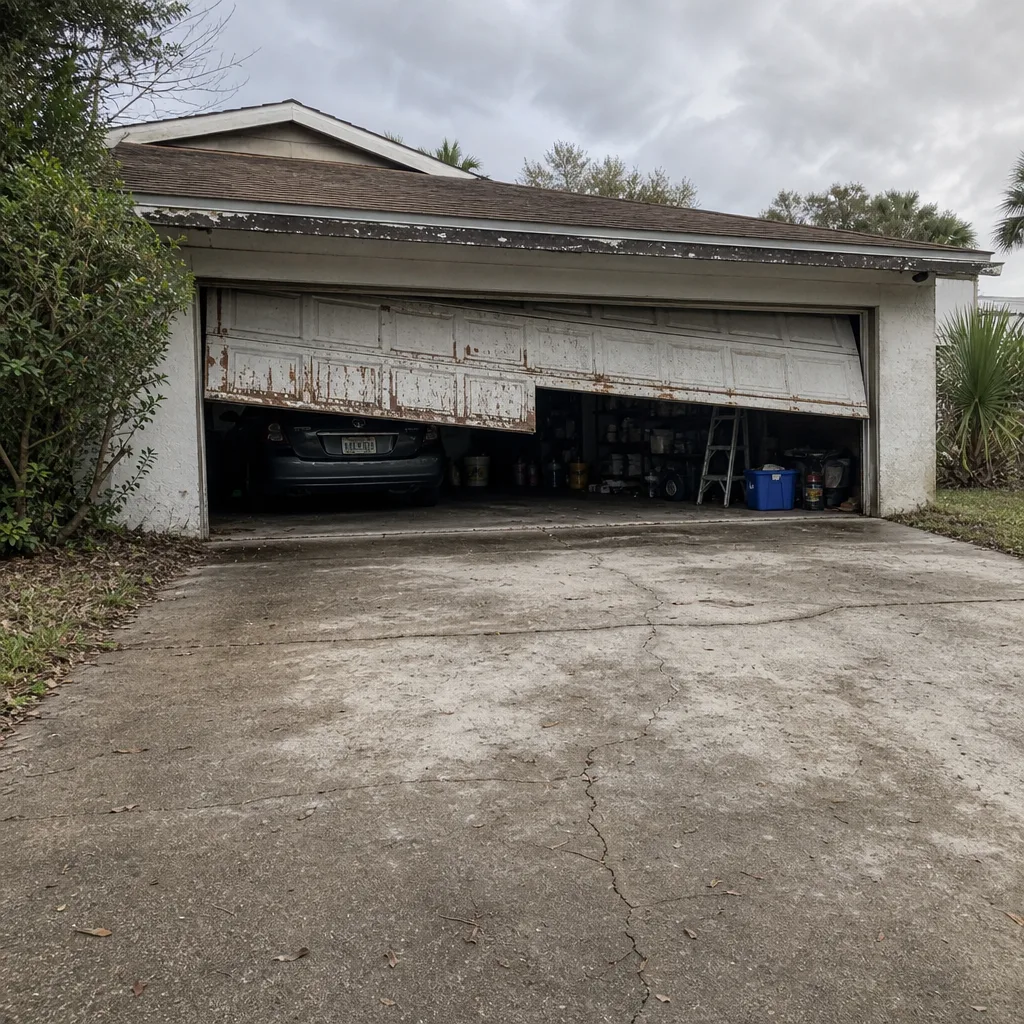 Before
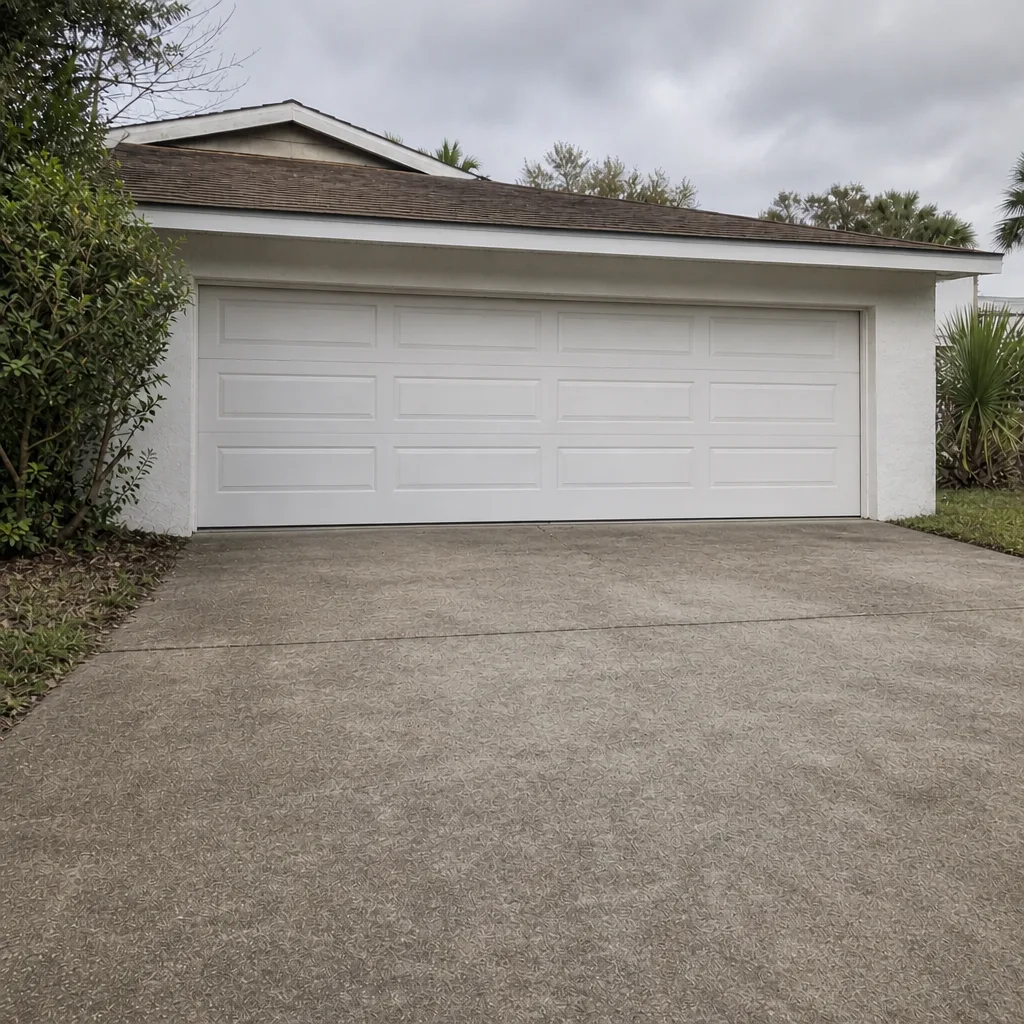 After
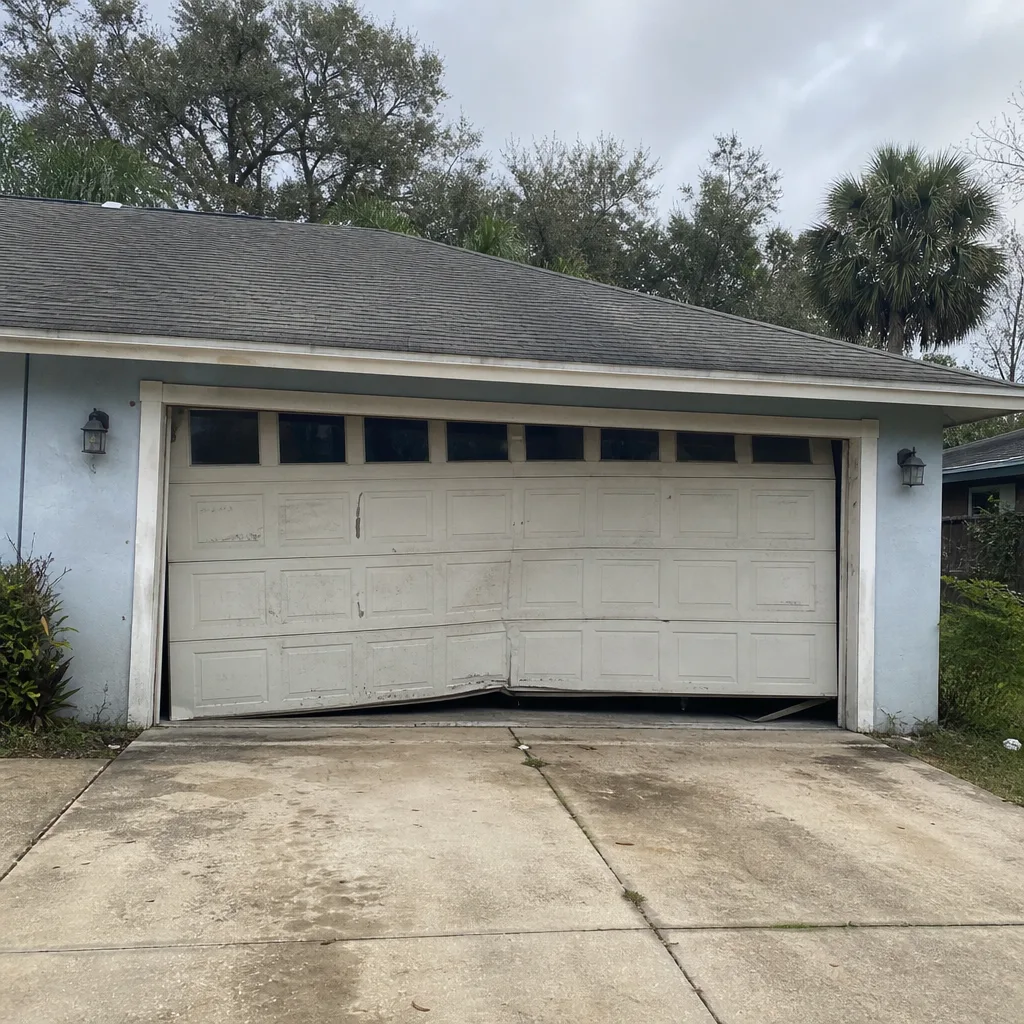 Before
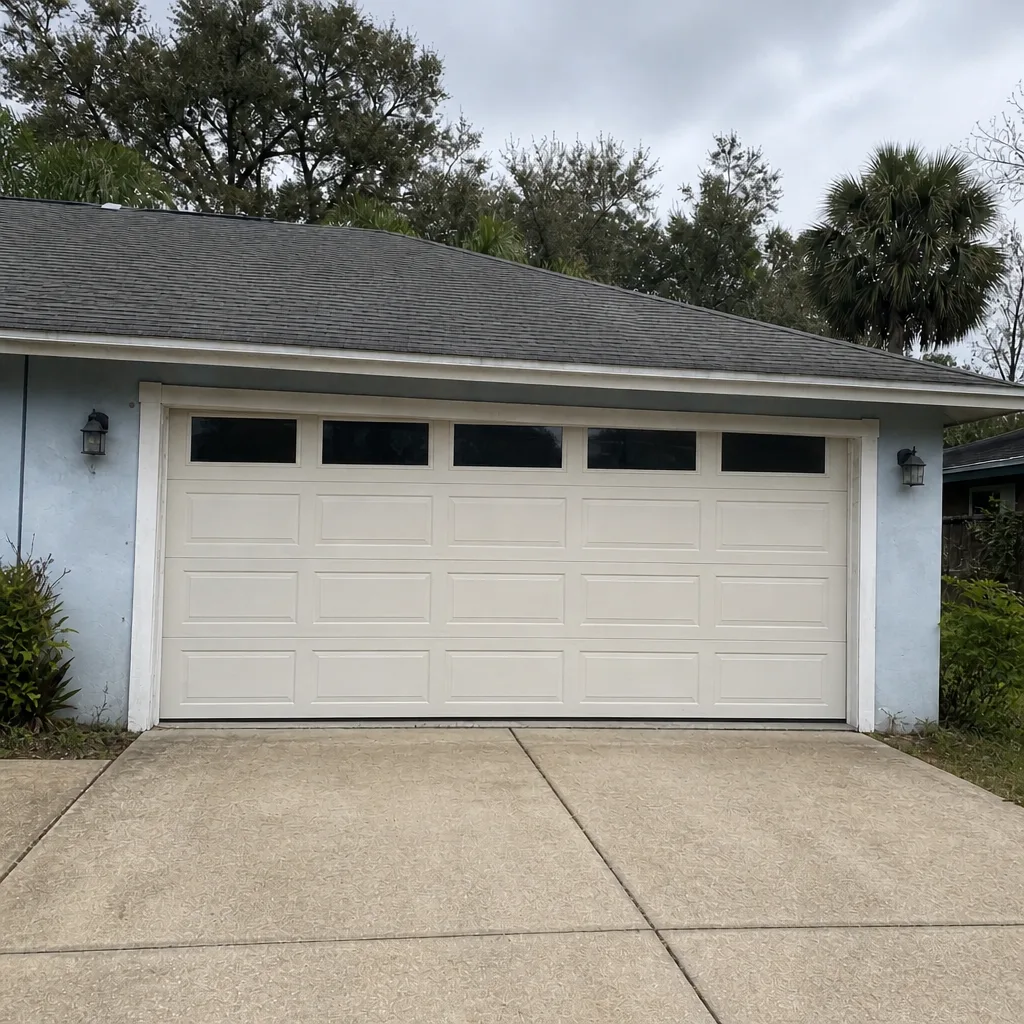 After
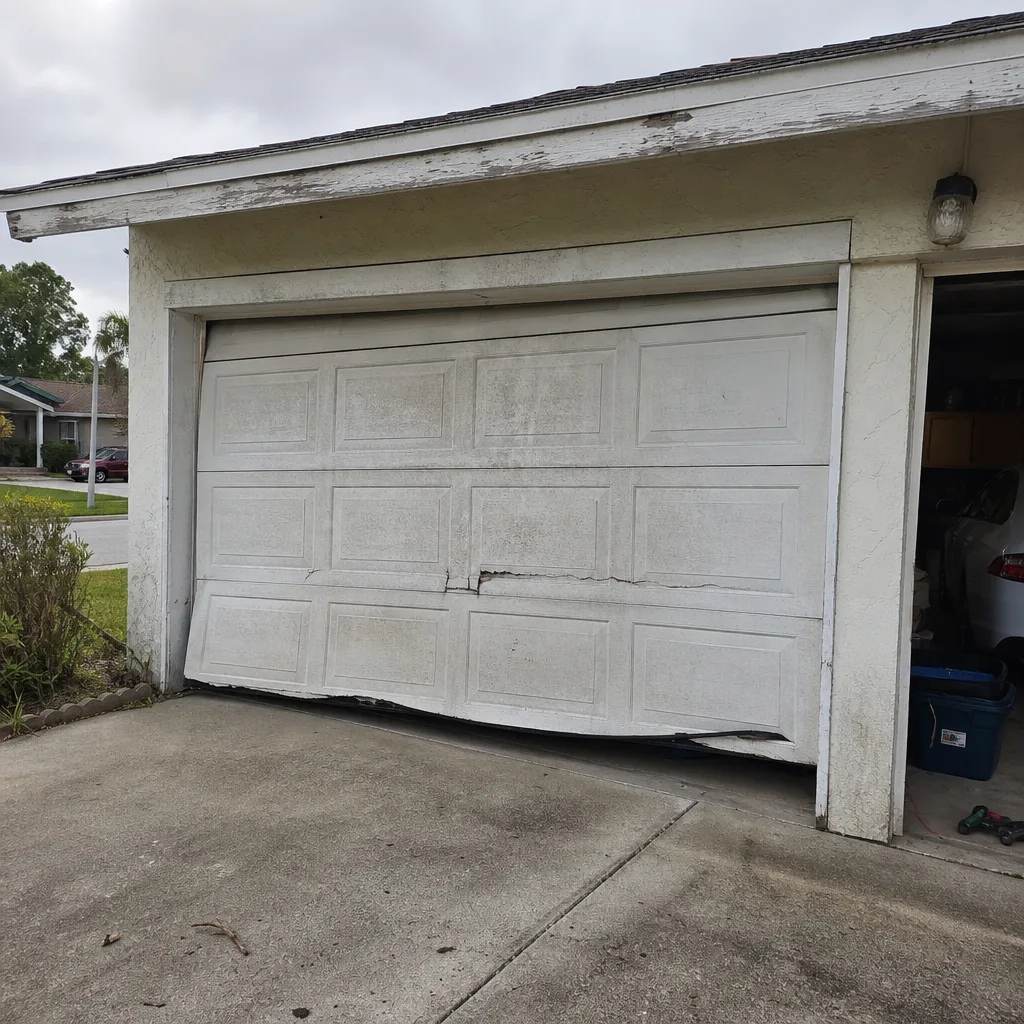 Before
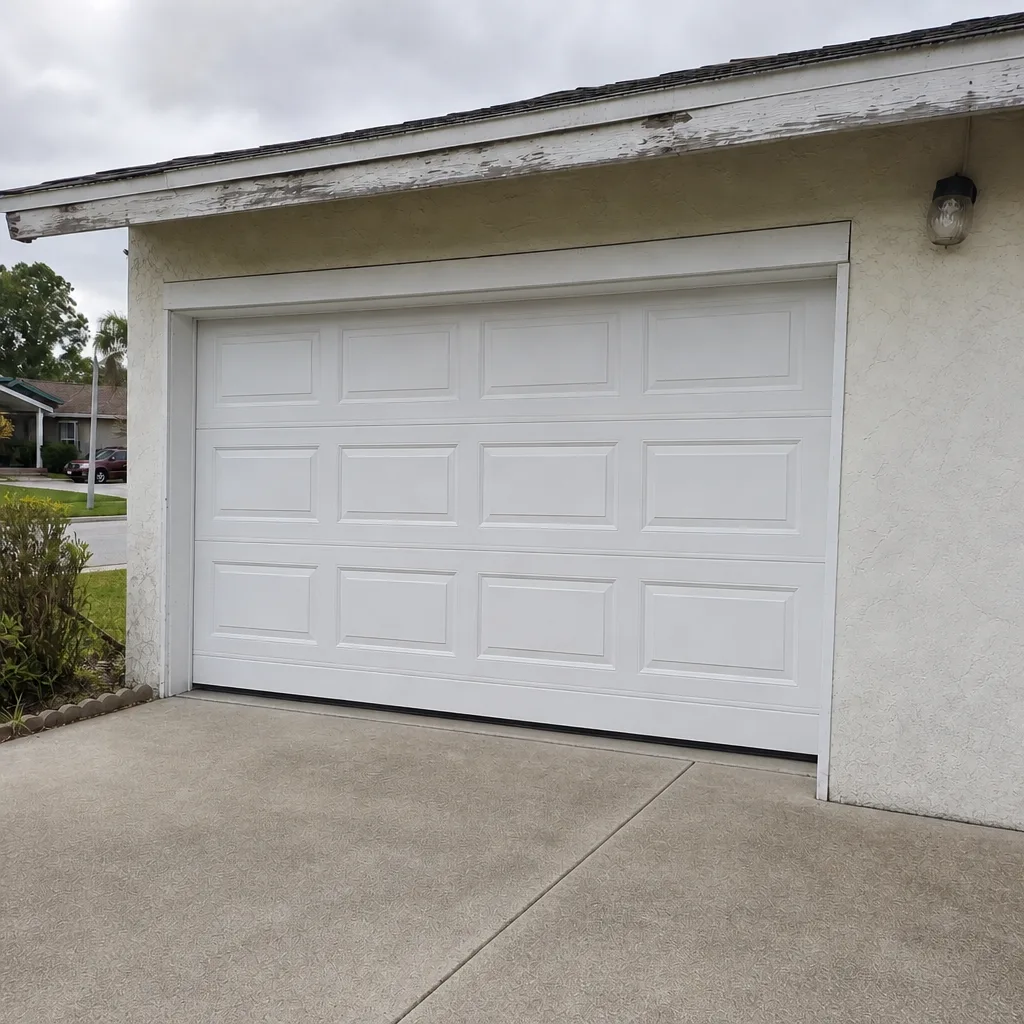 After
When to Call a Professional
Some garage door problems are safe to handle yourself. Most aren’t. Call a professional when the door won’t open or close and the manual release doesn’t fix it, when you see a broken spring or a frayed cable, when the door is off-track or sagging, when the opener runs but the door doesn’t move, or when storm debris has damaged the opening and you’re not sure if it’s safe to close. Also call when the door won’t seal against wind-driven rain and a storm is in the forecast – that’s the scenario where 20 minutes of professional attention protects the most. Daytona Beach Garage Door Repair Pros offers free estimates in Daytona Beach – call (866) 937-7159. Our technicians have up to 9 years of experience, and we work on the brand you already have: LiftMaster, Craftsman, Wayne Dalton, Raynor, and the other major systems you’re likely to find in a Daytona Beach home.
Frequently Asked Questions
Pull the red release cord straight down with the door fully closed, then lift the door by hand. With the springs intact the door should move easily. Reconnect the trolley by closing the door fully and pulling the cord toward the opener or pressing the wall button. If the door feels heavy or drops when you lift it, a spring is broken and you should call a professional.
Don’t touch the springs, cables, or a door that’s off-track or sagging. Photograph the damage, secure the opening from the inside with plywood or a 2×4 brace if the door won’t close, pull the release cord so the opener can’t run, and clear debris from the door’s path. Then call a professional for an assessment. We answer 24/7, and a call outside dispatch hours is booked into the next opening, Sunday through Friday, 7am to 7pm.
Yes, and you should. Once the door is released from the opener, the opener can no longer hold it shut. A slide bolt through the track or a factory manual lock is what keeps the door sealed against wind pressure. If your door doesn’t have either, that’s the upgrade to make before the next storm season.
Typical ranges in the Daytona Beach market run $120 to $280 for opener repair and $180 to $340 for a single spring. A matched pair of springs is usually replaced together and costs about twice that. The written estimate sets the final price, and we quote before any work starts. Call (866) 937-7159 for an exact quote – estimates are free.
Same-day service is our goal on repair calls, and fast dispatch from 7am to 7pm, Sunday through Friday, makes it possible most days. During the peak of storm season, demand spikes and availability tightens. Call (866) 937-7159 and we’ll tell you honestly what the timeline looks like.
We quote and agree on price before any work starts, and the written estimate is the price. If the damage turns out to be more extensive than described over the phone, we show you what we found and agree on the change before anything else is done. You won’t get a surprise invoice. Call (866) 937-7159 if you want to walk through what your door might need.
The Bottom Line
A garage door emergency in Daytona Beach is really two problems dressed as one: a mechanical failure, and a storm scenario. The mechanical side – springs, openers, cables, tracks – is what most calls are about, and it’s fixable with the right technician and the right brand-specific parts. The storm side is what most homeowners are unprepared for, and it comes down to three things: knowing how to release and lock the door by hand, running the 20-minute pre-storm checklist, and knowing what to secure and what to leave alone after debris hits. Do those three things before a storm is on the radar, and you’ll be in a much better position when it arrives.
Need help today? Call (866) 937-7159 for a free estimate on garage door repair, opener repair, spring repair, or installation in Daytona Beach. We answer 24/7. Fast dispatch from 7am to 7pm, Sunday through Friday.
Written by the team at Daytona Beach Garage Door Repair Pros.